1940s Makeup Trends? Beauty Experts Weigh In
1940s Makeup Trends: Beauty Experts Weigh In on Vintage Glamour
The 1940s represent one of the most iconic decades in beauty history, where makeup became a form of resistance, patriotism, and self-expression during wartime. This era produced some of the most recognizable beauty looks that continue to inspire makeup artists and beauty enthusiasts today. From bold red lips to perfectly sculpted eyebrows, 1940s makeup tells a story of innovation, necessity, and timeless elegance that transcends generations.
Understanding 1940s makeup trends requires exploring the cultural context of the era. World War II dramatically influenced beauty standards and product availability, forcing women to be creative with their cosmetics while simultaneously embracing more dramatic, confident looks. Beauty experts consistently point to this decade as a turning point where makeup became democratized—no longer exclusively for performers and socialites, but for everyday women seeking to feel powerful and put-together during uncertain times.
The Bold Red Lip: An Icon is Born
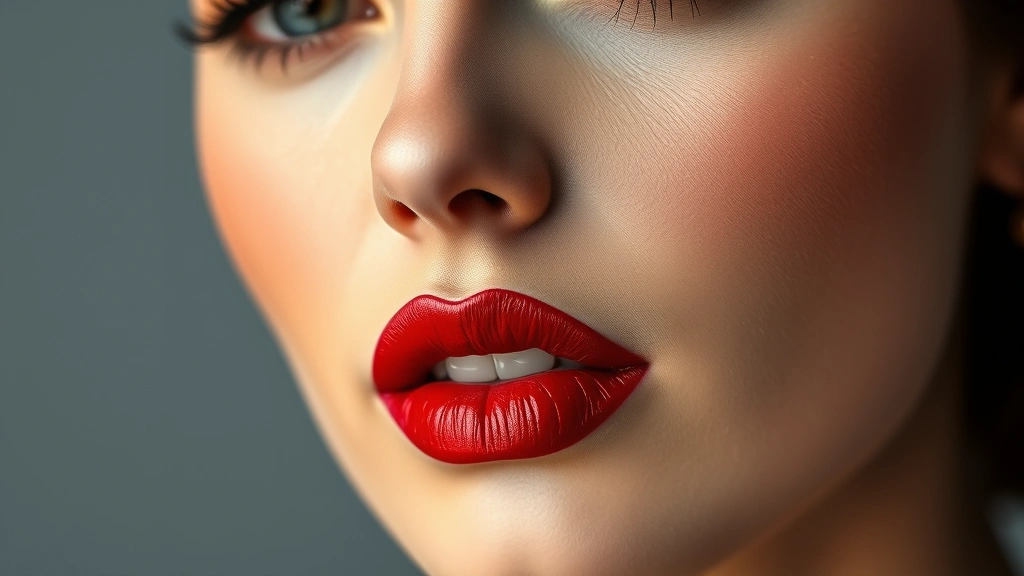
The red lip is undoubtedly the most recognizable element of 1940s makeup, and for good reason. During this decade, lipstick became a symbol of confidence, femininity, and even subtle rebellion. Beauty experts from major publications note that the 1940s red lip wasn’t just any red—it was a specific shade that commanded attention while maintaining an air of sophistication. The most coveted shades featured blue undertones rather than orange, creating that classic blue-red that photographs beautifully in black-and-white imagery that dominated the era.
Lipstick application in the 1940s was treated as an art form. Women would line their lips with a dedicated lip pencil, often in a shade slightly darker than the lipstick itself, to create a defined and precise shape. The application technique emphasized slightly fuller lips than one’s natural shape, but not to the extreme extent that would come later. Beauty professionals recommend using a high-quality red lipstick with blue undertones and a lip liner for achieving this authentic look. The finish was typically matte or satin, never glossy—a stark contrast to modern preferences.
What made the 1940s red lip particularly fascinating was its accessibility across social classes. While luxury brands existed, drugstore lipsticks became widely available and affordable, allowing women from all economic backgrounds to participate in this beauty trend. This democratization of beauty is closely related to discussions about environment and society, as mass production of cosmetics had significant environmental implications even then. The iconic red lip transcended function; it became a statement of identity during a time when women’s roles were rapidly evolving.
Eyebrows and Eye Makeup: Sculpted Perfection
If the red lip was the statement, the eyebrows were the frame. 1940s eyebrows were dramatically different from today’s preferences, featuring a high arch, a defined shape, and a thickness that created a strong, confident appearance. Beauty experts emphasize that these weren’t naturally occurring brows—they required deliberate shaping and often involved plucking away significant portions of the natural brow to achieve the desired silhouette. The ideal 1940s brow began high on the inner eye and tapered to a sharp point at the outer edge.
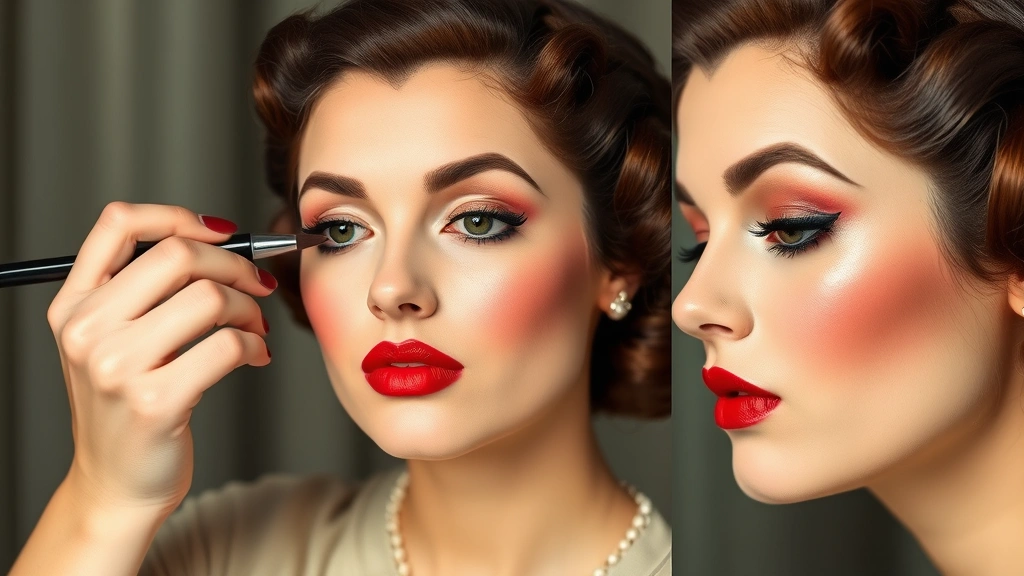
Eye makeup in the 1940s focused on definition and drama without the heavy eyeshadow we associate with later decades. Women would use a combination of techniques to create depth and dimension. The primary tool was eyeliner, typically in black or dark brown, applied to the upper lash line with precision. Some women would also apply liner to the waterline for additional intensity. Eyeshadow, when used, was subtle—often just a touch of neutral brown or taupe in the crease to add dimension.
Mascara was another crucial element, and fortunately for 1940s women, the cake mascara formula had been recently invented. Unlike modern mascara, this required a small brush and a compact of dried mascara that needed to be activated with water. The application created thick, separated lashes that opened up the eye considerably. Beauty tutorials from professional makeup artists often highlight that achieving authentic 1940s eye makeup requires patience and precision—this wasn’t a quick five-minute application.
The winged eyeliner, while not invented in the 1940s, became perfected during this era. The signature cat-eye flick extended slightly beyond the outer corner of the eye, creating an elongated shape that made eyes appear larger and more glamorous. This technique remains popular today and serves as an accessible entry point for anyone wanting to experiment with 1940s makeup aesthetics.
Foundation and Complexion Techniques
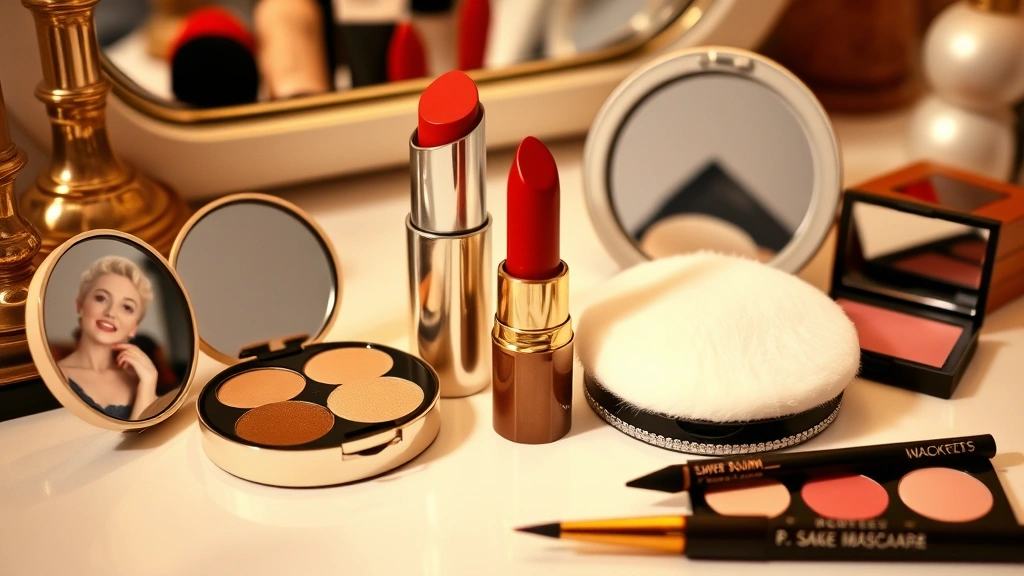
The foundation used in the 1940s was dramatically different from modern formulations, yet the application principles remain surprisingly relevant. Foundation came primarily in cream or compact powder form, and achieving a flawless complexion required significant skill and product knowledge. Women would often use a heavier hand with foundation than we might recommend today, creating a more uniform, almost porcelain-like finish that was considered the height of beauty.
The ideal 1940s complexion was pale and matte—a direct reflection of class status, as tanned skin indicated outdoor labor work. This preference has interesting cultural implications worth exploring in the context of human environment interaction, as beauty standards have always been shaped by available resources and societal values. Women would deliberately avoid sun exposure and use various lightening products to maintain their pale complexions.
Powder was essential for setting makeup and creating that matte finish that defined the era. Translucent powders were applied generously with large powder puffs, and the technique involved pressing the powder into the skin rather than sweeping it across. This created a smooth, velvety appearance that photographed beautifully. Beauty experts note that the matte finish actually helped makeup last longer throughout the day, a practical benefit alongside the aesthetic preference.
Blemish coverage was handled with precision. Rather than using full-coverage foundation everywhere, women would strategically apply heavier coverage only where needed, using a technique that modern makeup artists would recognize as spot concealing. This approach actually required more skill than applying uniform coverage, as it demanded understanding how different products interacted and blended.
Cheeks and Contouring the 1940s Way
Blush in the 1940s served a specific purpose: creating the appearance of youthful vitality and health. The application was deliberate and often quite dramatic by modern standards. Rather than the subtle flush we might apply today, 1940s women would use a concentrated circle of color on the apples of their cheeks, typically in shades of coral, rose, or deep red.
The placement of blush was crucial. Applied to the fullest part of the cheek and blended upward toward the temples, it created a lifted appearance that complemented the high, sculpted eyebrows. Some beauty professionals describe 1940s blush application as almost geometric—a distinct placement rather than a soft, diffused wash of color. This precision reflected the overall aesthetic of the decade, where every element of makeup had a specific purpose and placement.
Contouring, though not called by that name in the 1940s, was practiced through the strategic use of darker powders and creams. Women would use a slightly darker shade along the hollows of their cheeks to create definition, and along the sides of the nose to create the illusion of a narrower profile. This technique predates modern contouring trends by decades, proving that the concept of using makeup to sculpt the face is timeless.
Highlighting, achieved through the use of lighter powders or creams applied to the high points of the face, was also practiced during this era. The inner corners of the eyes, the tops of cheekbones, and the bridge of the nose would receive strategic brightening to create dimension and draw light to these features. This created a three-dimensional quality that made the face appear more sculpted and refined.
Wartime Beauty Solutions and Rationing
The impact of World War II on beauty culture cannot be overstated. Rationing affected cosmetic production and availability, forcing women to become creative and resourceful with their makeup. Certain ingredients became scarce, and some beauty products were redirected for military use. This necessity sparked innovation in the beauty industry and among consumers themselves.
Women began creating their own beauty products when commercial options became unavailable. Lipstick could be made from beeswax, oils, and natural pigments. Eyeshadow was created from crushed minerals and plants. This DIY approach to beauty connects interestingly to modern discussions about sustainable fashion brands and eco-conscious beauty choices, as wartime necessity created a culture of resourcefulness that many modern consumers now deliberately embrace.
Despite these challenges, or perhaps because of them, 1940s women refused to abandon their beauty routines. Makeup became even more important during wartime—a way to maintain morale, express femininity, and assert normalcy in uncertain times. Beauty experts recognize this period as pivotal in establishing makeup as an essential form of self-care rather than a luxury.
Lipstick, in particular, became almost sacred during the war years. Soldiers would receive lipstick in care packages, and women wore red lips as a symbol of hope and continuity. This emotional significance elevated makeup from mere cosmetic enhancement to something more profound—a statement of resilience and determination. The famous slogan “A girl’s best friend is her lipstick” captured this sentiment perfectly.
Creating an Authentic 1940s Makeup Look Today
For anyone interested in recreating 1940s makeup today, the process requires understanding both the techniques and the products that will help achieve an authentic appearance. Modern makeup products can actually make this easier than the original application, while still honoring the aesthetic of the era.
Begin with a good primer to create a smooth base for your foundation. Apply a full-coverage cream or powder foundation evenly across the face, setting with translucent powder applied with a puff for that characteristic matte finish. The key is creating a smooth, porcelain-like canvas that’s nearly flawless.
Next, focus on the eyebrows. If you’re not ready to pluck dramatically, you can use a dark brow product to create the high arch and defined shape. Fill in the brows with short, precise strokes, then set with a clear brow gel. The goal is a strong, confident brow that frames the face decisively.
Apply eyeliner to the upper lash line with a liquid or gel liner for precision. Create a subtle winged flick that extends slightly beyond the outer corner. Keep eyeshadow minimal—just a touch of neutral brown in the crease if desired. Apply mascara generously to the upper lashes, focusing on separation and definition.
Apply blush in a concentrated circle on the apples of your cheeks, using a shade with coral, rose, or red undertones. Blend slightly upward and outward, but maintain the concentrated placement. Add a touch of lighter powder to the high points of your face for subtle highlighting.
Finally, line your lips with a lip liner in a shade slightly darker than your chosen lipstick. Fill in the lips, slightly overdrawn for fullness but not exaggerated. Apply your blue-toned red lipstick with precision, using a lip brush for clean edges. Set with powder if desired for longevity.
The beauty of 1940s makeup is that it translates remarkably well to modern life. The strong features and defined lines photograph beautifully, and the overall look conveys confidence and sophistication. Whether you’re interested in this era for historical reasons, costume purposes, or simply aesthetic appreciation, professional makeup tutorials can provide visual guidance for perfecting each element.
FAQ
What was the most popular lipstick color in the 1940s?
The most iconic 1940s lipstick was a blue-toned red, often described as a true red or blue-red. Shades from brands like Max Factor and Revlon in this color family became legendary during the decade. This specific undertone was essential to achieving an authentic 1940s look.
Did 1940s women use eyeshadow?
Yes, though much more subtly than in later decades. Eyeshadow in the 1940s was typically neutral in tone—browns, taupes, or soft golds—and applied minimally, usually just in the crease for definition. The focus was on the eyes through eyeliner and mascara rather than colorful shadow.
How thick were 1940s eyebrows?
1940s eyebrows were thinner than natural brows, but with a very defined, high arch. Women would pluck extensively to create the characteristic shape—high at the inner brow, arching dramatically, and tapering to a thin point at the outer edge. This required significant maintenance.
What products did 1940s women use for foundation?
Foundation came in cream or compact powder form. Cream foundations were applied with the fingers or a sponge, while powder foundations were pressed on with a puff. The goal was full, even coverage with a matte finish. Modern full-coverage foundations can replicate this effect.
How can I find 1940s-appropriate makeup products today?
Many modern brands create vintage-inspired makeup lines, and classic brands that existed in the 1940s like Revlon and Max Factor still produce similar products. Look for blue-toned reds, cream foundations, cake mascaras, and matte finishes. Specialty vintage beauty retailers also offer authentic period products for collectors and enthusiasts.
Was makeup expensive in the 1940s?
While luxury brands existed, drugstore cosmetics became increasingly affordable during the 1940s. This democratization of beauty meant that makeup was accessible across economic classes, making it possible for most women to participate in beauty trends regardless of income level.
How did rationing affect 1940s makeup?
Wartime rationing limited the availability of certain cosmetic ingredients and products. This led to creative solutions, including homemade beauty products and strategic use of available resources. Despite shortages, women prioritized maintaining their beauty routines as a form of morale and self-expression during difficult times.

Related Posts

Perfect Old Fashioned Donut: Baker’s Secrets
Old Fashioned Chocolate Pie Recipe? Chef’s Favorite