1940s Makeup Trends? Vintage Beauty Tips Inside!
1940s Makeup Trends: Vintage Beauty Tips Inside!
The 1940s represent one of the most iconic eras in beauty history, when women embraced bold, dramatic makeup looks that reflected both glamour and practicality. This decade brought us the unforgettable aesthetic of Hollywood’s Golden Age, with starlets like Audrey Hepburn, Rita Hayworth, and Ava Gardner setting the standard for beauty. The makeup techniques and color palettes from this transformative period continue to inspire modern makeup artists and beauty enthusiasts today, proving that vintage beauty never truly goes out of style.
Whether you’re interested in recreating authentic 1940s makeup for a themed event, studying beauty history, or simply looking to incorporate vintage elements into your everyday look, understanding the key trends of this era is essential. The 1940s makeup aesthetic was characterized by sculpted features, bold brows, and a focus on creating the perfect complexion. This comprehensive guide will walk you through every aspect of 1940s beauty, from foundation techniques to signature lip colors, helping you master the vintage looks that defined a generation.
The Foundation of 1940s Beauty
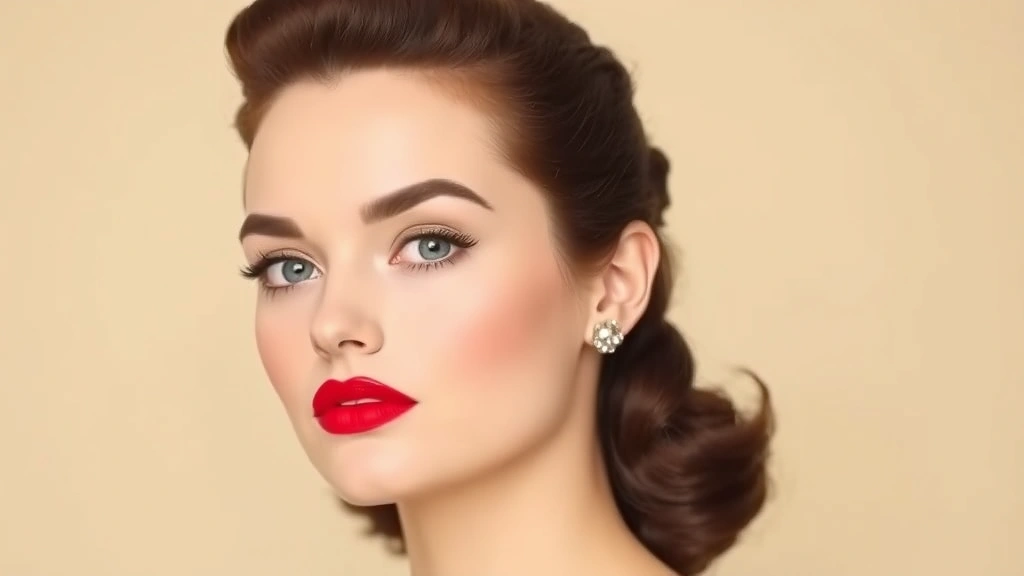
The foundation of 1940s makeup was all about creating a flawless, porcelain-like complexion that served as the canvas for more dramatic features. During this era, women used heavy foundation to achieve a smooth, matte finish that would photograph beautifully and last throughout the day. The ideal complexion was pale and luminous, a stark contrast to modern beauty standards that often emphasize bronzed skin.
To achieve the authentic 1940s foundation look, start with a primer to create a smooth base. Apply foundation using a damp sponge, focusing on building coverage gradually rather than applying it all at once. The key is to blend seamlessly, ensuring there are no visible lines or patches. According to dermatological research, the heavy foundations of the 1940s were often made with lead and other potentially harmful ingredients, so modern alternatives are much safer while still achieving the same aesthetic effect.
Powder was essential in the 1940s makeup routine. Women would use loose or pressed powder to set their foundation and create that characteristic matte finish. The powder would be applied with a large fluffy brush, ensuring an even application across the entire face. This step was crucial because the matte finish would help makeup last longer and photograph better, which was especially important for actresses and public figures of the time.
Concealer, though not always available as a dedicated product, was created by using slightly lighter foundation under the eyes and on blemishes. Women would also use cream highlights to bring light to certain areas of the face, creating dimension and depth. This technique laid the groundwork for modern contouring practices that we use today.
Eyebrow Styles and Techniques
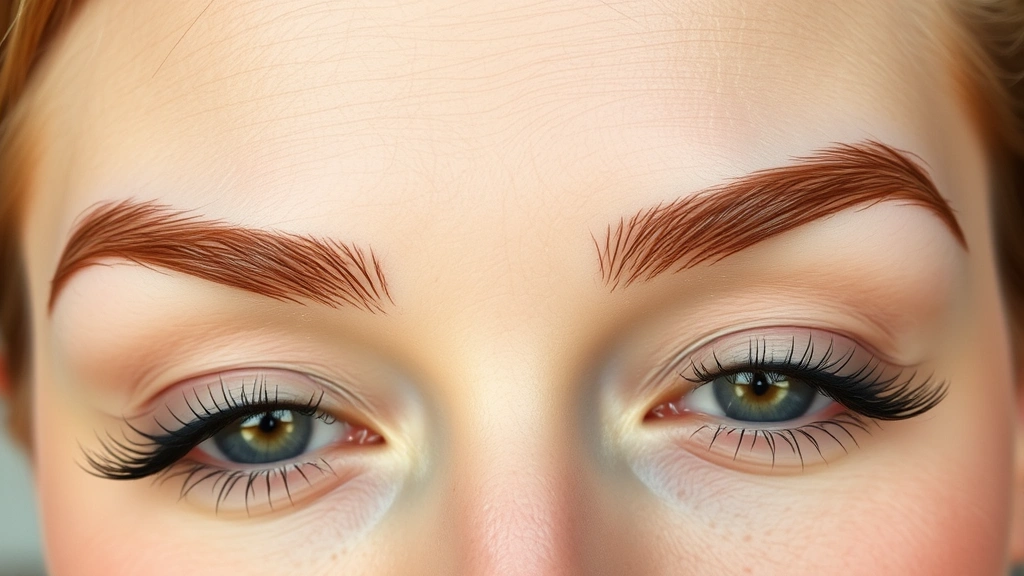
Eyebrows in the 1940s were distinctly different from both the pencil-thin brows of the 1920s and modern fuller brows. The ideal 1940s eyebrow was moderately thick, highly arched, and perfectly groomed. This shape was achieved through careful plucking and precise application of eyebrow products, creating a look that was both elegant and intentional.
The arch in 1940s eyebrows was quite dramatic, often positioned higher than the natural arch of the brow bone. This high arch created the illusion of lifted, more youthful eyes and worked beautifully with the overall makeup aesthetic of the era. To achieve this look, you’ll need to pluck hairs below the arch to create definition, while keeping the inner portion of the brow fuller and less shaped.
Eyebrow products of choice in the 1940s included eyebrow pencils and powders in shades of brown or black. Women would use short, feathering strokes to create individual hair-like marks, filling in sparse areas while maintaining a natural appearance. The color chosen typically matched the hair color, with brunettes using dark brown or black, and blondes using softer brown tones.
To recreate 1940s eyebrows today, start by determining your natural arch and then pluck strategically to enhance it. Use an eyebrow pencil or powder to fill in your brows, following the natural hair growth pattern. The goal is to create a groomed, polished look that frames the face beautifully. Remember that eyebrow maintenance was a regular part of 1940s beauty routines, so dedication to upkeep is essential for maintaining this vintage aesthetic.
Eye Makeup: From Subtle to Dramatic
Eye makeup in the 1940s varied depending on the occasion and personal preference, but there were some consistent elements that defined the era’s aesthetic. The most recognizable 1940s eye look featured well-defined eyes with emphasis on the upper lash line and a subtle lower line. Eyeshadow colors ranged from neutral browns and taupes to more daring blues and greens, depending on the look being created.
The most popular eyeshadow application technique involved using a single shade or a very simple two-shade combination. Women would apply a lighter shade across the lid and a slightly darker shade in the crease to add dimension. This technique created depth without the complexity of modern multi-shade eyeshadow looks. Beauty historians note that the simplicity of 1940s eye makeup was partly due to limited product availability during wartime, which led to creative and efficient application methods.
Eyeliner was a crucial component of the 1940s eye makeup look. A dark line was drawn along the upper lash line, often with a slight wing or flick at the outer corner. This eyeliner helped define the eyes and create that characteristic 1940s gaze. The lower lash line was sometimes lined with a softer pencil or left bare, depending on the desired intensity of the look. Mascara was applied generously to both upper and lower lashes, creating dramatic, defined lashes that opened up the eye.
For a more dramatic 1940s eye look, women would use darker eyeshadow colors like forest green, navy blue, or deep plum. These jewel tones were applied to the lid and blended upward, creating a gradient effect. The darker shade would be concentrated on the outer corner of the eye, helping to create the illusion of a lifted, more almond-shaped eye.
The Perfect 1940s Lip
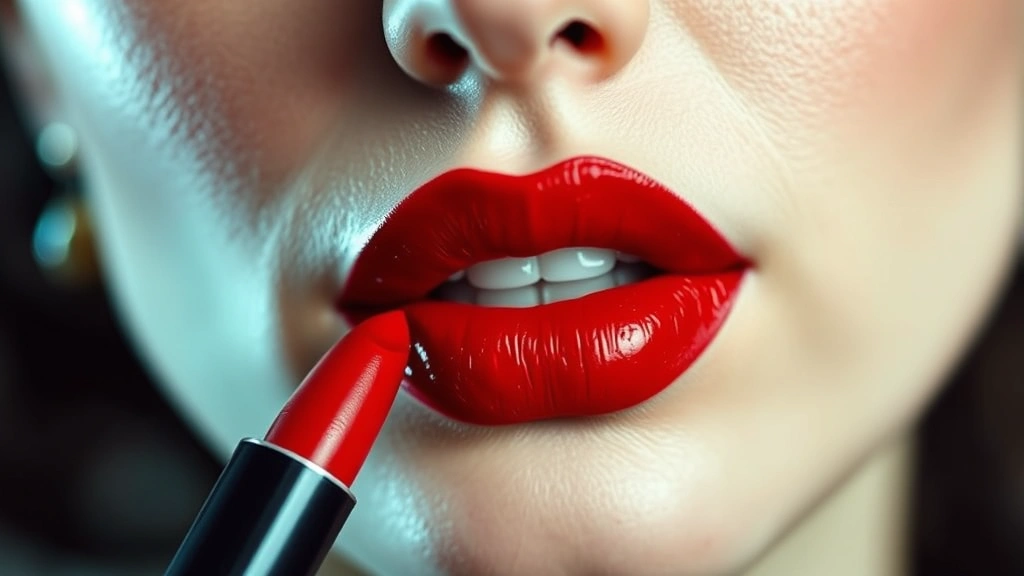
Perhaps no element of 1940s makeup is more iconic than the lips. The signature 1940s lip was bold, defined, and typically a deep red shade that commanded attention. This lip look represented confidence and glamour, and it became the defining feature of the era’s beauty aesthetic. The shape was usually a perfect cupid’s bow with full lips, creating a sensual and feminine appearance.
To achieve the perfect 1940s lip, precision is essential. Start by lining your lips with a lip liner that matches your chosen lipstick shade. The line should follow your natural lip shape but can be adjusted slightly to create the ideal cupid’s bow. The key is to create a defined outline that will help your lipstick stay in place throughout the day and create a polished, intentional appearance.
Red was undoubtedly the most popular lip color of the 1940s, but the specific shade of red varied. Bright blue-based reds were popular in the early 1940s, while deeper, more orange-based reds became trendy as the decade progressed. Some women also wore burgundy or wine-colored lips, particularly for evening occasions. The finish was typically matte, which helped the lipstick last longer and created a more sophisticated appearance.
Applying 1940s-style lipstick requires patience and precision. Use a lip brush to apply the color evenly, starting from the center of your lip and working outward. Make sure to follow your lip line carefully, creating crisp edges. For added longevity, you can use a lip stain under your lipstick or apply a setting powder to your lips before applying the color. This technique was commonly used in the 1940s to ensure lipstick stayed put throughout the day.
The lips were often the focal point of a 1940s makeup look, so keeping them impeccable was important. Women would carry lip mirrors and lipstick with them at all times, touching up throughout the day. This dedication to lip perfection is something we can still appreciate and emulate today.
Cheek and Contouring Methods
Cheek color in the 1940s was applied with intention and precision, typically creating a circular or slightly curved placement on the apples of the cheeks. The goal was to create a youthful, flushed appearance that suggested health and vitality. Blush colors ranged from soft pinks to deeper roses and corals, depending on the overall makeup look and skin tone.
The application of blush in the 1940s was quite different from modern techniques. Rather than emphasizing the cheekbones with contouring, women would focus on the apples of the cheeks, applying color in a way that suggested a natural flush. The blush would be blended upward toward the temples but kept concentrated on the cheek area rather than extended across the entire face.
Contouring as we know it today wasn’t really a part of 1940s makeup routines, but women did use shading techniques to create definition and structure. Darker foundation or a matte bronzer would be applied in the hollows of the cheeks to add dimension, while lighter shades would be used to bring light to the high points of the face. These techniques were subtle and blended seamlessly, creating a naturally sculpted appearance rather than the dramatic contouring we see in modern makeup.
To recreate 1940s cheek color, apply blush to the apples of your cheeks using a fluffy brush. Smile to find the apples of your cheeks, then apply color in a circular motion. Blend the color upward and outward, ensuring there are no harsh lines. The overall effect should look like a natural flush rather than obvious makeup. This approach creates a softer, more romantic appearance that’s characteristic of 1940s beauty.
Color Palettes of the Decade
Understanding the color palettes of the 1940s is essential for recreating authentic makeup looks from this era. The colors used in 1940s makeup were influenced by Hollywood, fashion trends, and the availability of products during wartime. Different seasons and occasions called for different color combinations, creating a variety of looks within the overall 1940s aesthetic.
Neutral and earthy tones were staples of 1940s makeup. Browns, taupes, beiges, and warm golds were used for eyeshadow, creating a sophisticated and wearable everyday look. These neutral tones worked beautifully with the defined eyes and bold lips that were characteristic of the era. For evening or special occasions, women would incorporate jewel tones like emerald green, sapphire blue, or deep plum into their eye makeup.
Red was the dominant lip color, but as mentioned, the specific shade varied. Early 1940s reds tended to be bright and blue-toned, while later in the decade, more orange-based reds and burgundies became popular. The choice of red often depended on skin tone, with cooler reds suiting fair and cool-toned skin, while warmer reds complemented deeper and warmer skin tones.
Blush colors in the 1940s ranged from soft pinks to deeper roses and corals. These colors were chosen to complement the overall makeup look and create a harmonious appearance. Peach and apricot tones were also popular, particularly for warmer skin tones. The key was to choose a blush color that created a natural-looking flush rather than an obvious makeup application.
Product Recommendations and Alternatives
While original 1940s makeup products are difficult to find and may contain harmful ingredients, there are many modern alternatives that can help you achieve an authentic 1940s makeup look. When choosing products, look for formulas that provide matte finishes, rich pigmentation, and long-wearing properties. When exploring the latest beauty blog trends and recommendations, you’ll find many contemporary products designed to recreate vintage looks.
For foundation, choose a formula with medium to full coverage that sets to a matte finish. Cream foundations or liquid foundations work well for achieving that smooth, porcelain-like complexion characteristic of the 1940s. Apply with a damp sponge and set with a translucent powder for longevity. Look for products that offer a natural, skin-like finish rather than overly dewy formulas.
Eyeshadow palettes with warm neutrals and jewel tones are perfect for recreating 1940s eye looks. Choose palettes with matte finishes, as shimmer and glitter weren’t prominent in 1940s makeup. Cream eyeshadows can also work beautifully for this aesthetic, providing smooth color application and good blending capabilities. Cosmetic chemistry experts recommend cream formulas for vintage-inspired looks because they blend seamlessly and create that soft, diffused appearance characteristic of 1940s makeup.
For lips, a classic red lipstick is essential. Look for formulas with good pigmentation and long-wearing properties. Matte lipsticks are ideal for achieving that authentic 1940s finish, though cream finishes can also work well. Consider keeping multiple red shades on hand to experiment with blue-toned versus orange-toned reds, allowing you to find the perfect shade for your skin tone.
Eyeliner pencils or liquid eyeliners in black or dark brown are necessary for creating that defined eye look. Pencil eyeliners are easier to control and blend, making them a good choice for beginners attempting the 1940s look. Mascara should be applied generously to create the dramatic lashes that were iconic to the era.
Creating Your Own 1940s Makeup Look
Now that you understand the individual elements of 1940s makeup, it’s time to put them together and create your own vintage beauty look. The process requires patience, practice, and a systematic approach to ensure each element complements the others and creates a cohesive, authentic appearance.
Start with skincare and primer. Ensure your skin is clean, moisturized, and primed. A good primer will help your makeup last longer and create a smooth canvas for foundation application. Apply primer evenly across your face, paying special attention to areas where makeup tends to break down or fade.
Next, apply your foundation using a damp sponge. Build coverage gradually, focusing on areas that need more coverage while keeping the application light in areas with better skin. Set with translucent powder, using a large fluffy brush to apply powder evenly across your entire face. This step is crucial for achieving that characteristic matte finish.
Move on to your eyebrows. Pluck to create the desired arch, then fill in with eyebrow pencil or powder. Use short, feathering strokes to create a natural appearance. Take your time with this step, as well-groomed eyebrows frame the entire face and set the tone for the rest of your makeup.
Apply eyeshadow next. Choose your color palette based on the occasion and your personal preference. Apply a lighter shade across the lid and a slightly darker shade in the crease. If you’re creating a more dramatic look, apply darker color to the outer corner and blend inward. Set your eyeshadow with a setting spray to ensure longevity.
Line your upper lash line with eyeliner, creating a slight wing or flick at the outer corner if desired. Apply mascara generously to upper and lower lashes, creating that dramatic, defined look. Consider applying multiple coats for added drama.
Apply blush to the apples of your cheeks, blending upward and outward. Use a light hand and build color gradually to avoid an obvious makeup application. Remember, the goal is to look like you have a natural flush rather than obvious blush.
Finally, line and fill in your lips with your chosen red lipstick. Use a lip brush for precision, creating crisp edges and even color application. This final step completes your 1940s makeup look and ties everything together.
FAQ
What were the main eyebrow trends in the 1940s?
1940s eyebrows were moderately thick with a dramatic arch, positioned higher than the natural brow bone. This high arch created the illusion of lifted, youthful eyes. Women achieved this through careful plucking and used eyebrow pencils or powders to fill in sparse areas and create definition. The color typically matched hair color, with browns and blacks being most common.
Which red lipstick shade is most authentic to the 1940s?
Early 1940s reds tended to be bright and blue-toned, while later in the decade, more orange-based reds and burgundies became popular. The most iconic 1940s red is a classic blue-based red that photographs beautifully and suits many skin tones. However, the perfect shade depends on your individual skin tone and undertones, so experimenting with different reds is recommended.
How can I make my 1940s makeup last all day?
To ensure your 1940s makeup lasts throughout the day, use quality primers and setting products. Apply foundation with a damp sponge and set with translucent powder. Use lip liner before lipstick to prevent feathering, and consider using a setting spray over your entire face. Touch up your lipstick and blush throughout the day as needed, just as women did in the 1940s.
What if I have a different skin tone? Can I still achieve the 1940s look?
Absolutely! The 1940s makeup aesthetic can be adapted for all skin tones. Adjust your foundation shade to match your skin, choose eyeshadow colors that complement your undertones, and select a red lipstick that works with your skin tone. Deeper skin tones might opt for warmer reds and richer eyeshadow colors, while fair skin tones might choose cooler reds and softer shadows. The key is understanding your own undertones and choosing colors accordingly.
Are there any products specifically made for 1940s-style makeup?
While dedicated 1940s makeup lines are limited, many brands create products inspired by vintage aesthetics. Look for matte eyeshadow palettes with warm neutrals and jewel tones, classic red lipsticks with long-wearing formulas, and quality eyeliners and mascaras. Brands specializing in vintage-inspired makeup often have products designed to recreate classic looks from this era.
Can I wear 1940s makeup as an everyday look?
Yes, you can absolutely adapt 1940s makeup for everyday wear. Simply tone down the intensity by using softer eyeshadow colors, a less dramatic lip color, and more subtle blush. The key elements of well-groomed brows, defined eyes, and polished lips can create a sophisticated everyday look inspired by 1940s beauty without being costume-like.
How do I choose between different 1940s makeup styles?
The 1940s encompassed various makeup styles depending on the occasion and personal preference. For everyday wear, opt for neutral eyeshadow, a classic red lip, and subtle blush. For evening or special occasions, incorporate jewel-toned eyeshadow, a bolder lip color, and more dramatic eye definition. Consider your personal style and the occasion when choosing which 1940s look to recreate.

Related Posts
Perfect Old Fashioned Donut: Baker’s Secrets
Old Fashioned Chocolate Pie Recipe? Chef’s Favorite