1940s Men’s Fashion: Timeless Style Insights
1940s Men’s Fashion: Timeless Style Insights
The 1940s represents one of the most distinctive and influential decades in men’s fashion history. This era, shaped by World War II and its aftermath, created a unique aesthetic that blended military precision with civilian elegance. The styles that emerged during this period continue to inspire modern menswear designers and fashion enthusiasts today, proving that true style transcends time.
What makes 1940s men’s fashion so captivating is how it reflected the social and economic conditions of the time. Rationing restrictions influenced fabric choices and silhouettes, while the military’s presence shaped tailoring standards. Yet despite these constraints, men’s fashion flourished with creativity and sophistication. Understanding this era provides valuable insights into how external circumstances can forge enduring style principles that remain relevant nearly eighty years later.
The Silhouette and Tailoring Standards
The defining characteristic of 1940s men’s fashion was the powerful, broad-shouldered silhouette that dominated the decade. This shape wasn’t accidental—it was deliberately constructed through expert tailoring techniques that emphasized the chest and shoulders while maintaining a relatively trim waist and leg. The result was a masculine, authoritative appearance that conveyed strength and confidence.
Wartime fabric rationing meant that tailors had to work efficiently, yet they maintained impeccable construction standards. Double-breasted and single-breasted suits both flourished, with the double-breasted style featuring prominent lapels that extended well down the jacket front. The jacket length typically fell just below the knee, and the sleeves ended precisely at the wrist bone. This precision in measurement became a hallmark of quality menswear that fashion experts still reference when discussing proper fit.
The trousers of the era featured a higher rise than modern pants, sitting at or above the natural waist. This high-waisted cut created an elongated leg line and contributed to the overall elegant proportion of the silhouette. Cuffs were common, typically measuring about one and a half inches, and they helped anchor the trouser leg with visual weight. The cut through the thigh was fuller than contemporary skinny fits, allowing for comfortable movement while maintaining a refined appearance.
Understanding proper vintage tailoring principles helps modern wearers appreciate why these garments remain so flattering and timeless. The construction methods used during this period prioritized durability and proper fit, creating pieces that could last decades when properly maintained.
Iconic Suits and Jackets
The zoot suit emerged as one of the most memorable and controversial styles of the 1940s, particularly within African American and Latino communities. These suits featured exaggerated proportions—extremely high-waisted, wide-legged trousers and oversized jackets with long coats. The style represented rebellion against mainstream fashion and became a symbol of cultural identity and expression, though it also attracted criticism and even sparked riots in some cities.
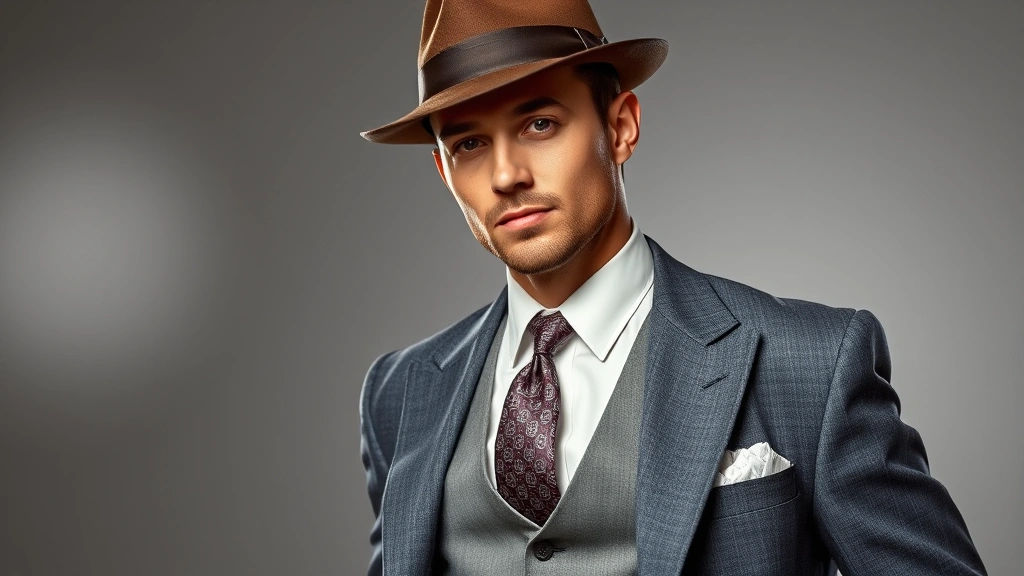
For mainstream fashion, the American drape suit became the standard uniform of respectable men. This style featured a softer shoulder construction compared to the British drape, with a slightly more relaxed fit through the chest and torso. The jacket typically had a single or double-breasted front, with notch lapels that created a clean, sophisticated line. This suit style became the foundation of modern American menswear and influenced how suits are constructed today.
The sport coat or blazer gained popularity as casual wear during the 1940s, offering versatility that pure business suits couldn’t match. Men could pair these jackets with different trousers for various occasions, making them practical investments. The patterns often featured understated checks or stripes in neutral tones, ensuring they coordinated easily with multiple bottoms.
Military influence manifested in the service coat, which many men wore both during and after military service. These jackets featured structured shoulders, often with shoulder boards, and a disciplined cut that reflected military precision. The transition of military garments into civilian wardrobe staples demonstrates how practical, well-constructed clothing transcends its original context.
Fabrics and Color Palettes
Wartime rationing dramatically influenced fabric choices during the 1940s. Wool became precious, and manufacturers developed innovative alternatives and blends to stretch limited resources. Despite these constraints, the fabrics used maintained excellent quality, with many vintage pieces from this era still wearable today. Wool serge, flannel, and tweed remained popular for suiting, while cotton and linen dominated summer wear.
The color palette of 1940s men’s fashion leaned toward neutral, sophisticated tones. Gray dominated, appearing in various shades from charcoal to light gray. Navy blue offered another timeless option, often featuring subtle patterns like pinstripes or windowpane checks. Brown and tan provided warmer alternatives, particularly popular for casual jackets and sportswear. Black existed primarily in formal contexts, such as tuxedos and evening wear.
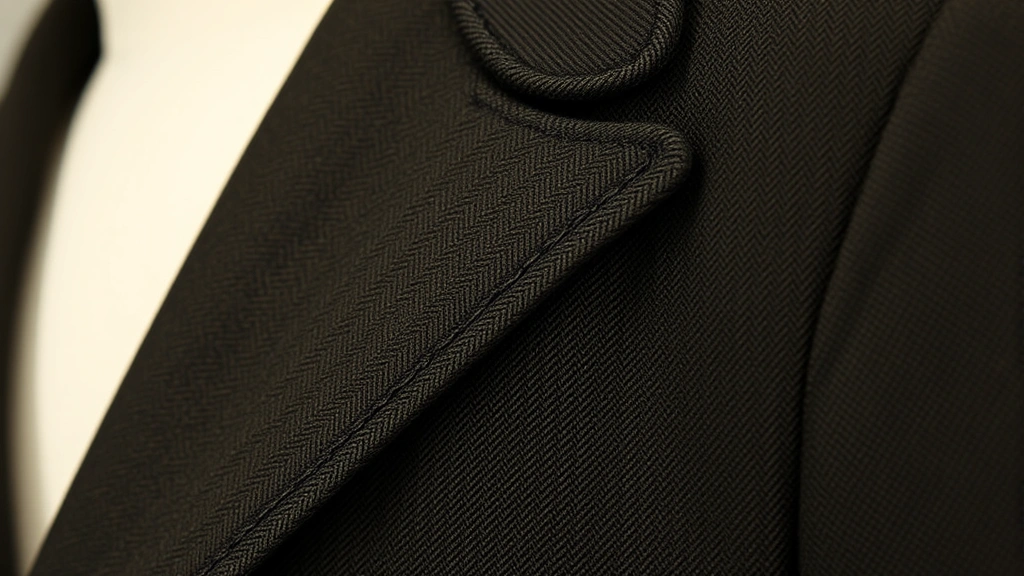
Patterns were generally subdued and classic. Pinstripes remained the most popular pattern for business suits, with lines spaced at regular intervals to create visual interest without overwhelming the garment. Herringbone weaves offered texture while maintaining formality. Plaids and checks appeared more frequently in casual wear and sport coats, typically in complementary color combinations that enhanced rather than dominated the outfit.
The quality of fabric dyeing and finishing during this period set standards that manufacturers still aspire to match. Understanding how fabric production impacts style longevity helps explain why vintage 1940s garments often outlast modern fast-fashion alternatives.
Accessories That Defined the Era
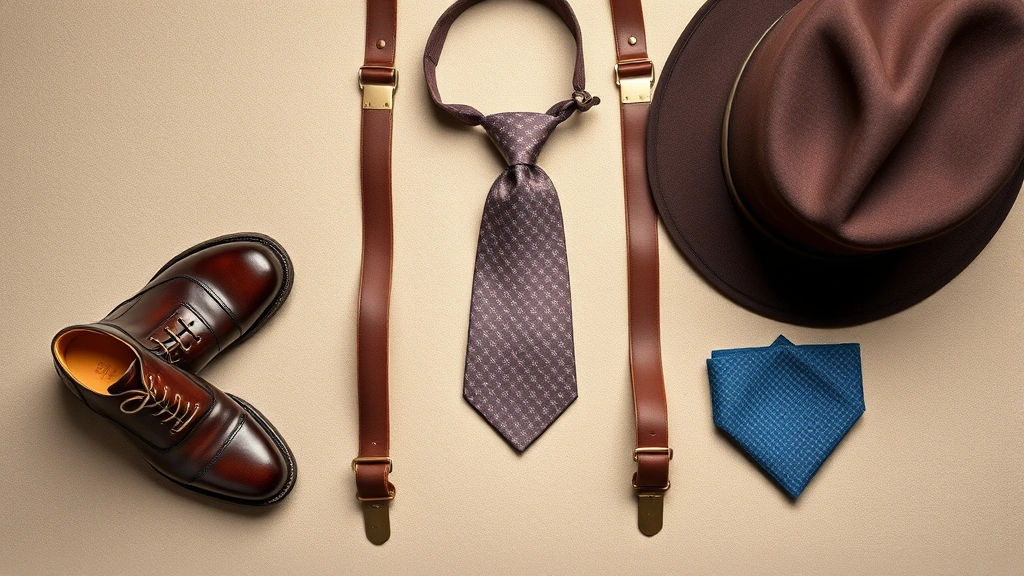
Accessories were absolutely essential to completing a 1940s men’s outfit, serving both functional and aesthetic purposes. The fedora hat was practically mandatory for any respectable man’s wardrobe, with felt construction and grosgrain ribbons in matching or contrasting colors. These hats weren’t merely decorative—they provided sun protection and were considered essential outdoor wear.
Neckties underwent significant evolution during the 1940s. Early in the decade, ties remained relatively narrow, but by the late 1940s, wider ties became fashionable. Patterns included solid colors, subtle stripes, and small geometric designs. Silk ties with hand-painted motifs became particularly popular, often featuring patriotic themes or whimsical patterns that reflected post-war optimism.
Pocket squares elevated an outfit from ordinary to refined, with men typically choosing fabrics that complemented or subtly contrasted with their ties. Linen pocket squares worked well for business wear, while silk versions suited more formal occasions. The fold and presentation of the pocket square communicated attention to detail and sartorial knowledge.
Suspenders (braces) remained functional necessities given the high-waisted trouser cuts of the era. These were often made from elastic webbing with leather or metal fittings, and they provided both security and a finishing touch to the silhouette. Many men wore them visible, as they were considered legitimate fashion elements rather than undergarments.
Leather belts, when worn, typically featured simple buckles in silver or gold tones. Shoes served as another crucial accessory—the right footwear could elevate an entire look, which is why investing in quality shoes became an important principle for well-dressed men of the era.
Footwear and Legwear
The oxford shoe dominated 1940s men’s fashion, available in leather ranging from rich brown to polished black to sophisticated burgundy. These lace-up shoes featured closed lacing systems and were considered appropriate for virtually any daytime occasion. The toe was typically slightly rounded, avoiding the pointed silhouettes that would emerge in later decades.
The derby shoe offered another popular option, featuring open lacing that provided a slightly more casual appearance than oxfords while maintaining formality. Two-tone shoes, with contrasting leather colors creating patterns across the upper, gained popularity particularly in casual contexts. Wingtips and cap-toe variations added visual interest while remaining fundamentally conservative.
For more casual occasions, loafers began gaining traction during the 1940s, though they weren’t yet universal. These slip-on shoes offered convenience without sacrificing style, and they would eventually become essential casual footwear. Suede versions provided textural variation and were considered slightly less formal than polished leather.
Socks were surprisingly important to the overall silhouette. Men typically wore mid-calf or over-the-calf socks in dark colors—navy, black, or charcoal—to create an unbroken line from trouser to shoe. The sock fabric was usually wool or wool blend, providing durability and comfort. Patterns were minimal, with solid colors remaining the standard, though subtle stripes occasionally appeared.
Casual Wear and Sportswear
The rise of casual wear during the 1940s reflected broader social changes and increased leisure time. The Hawaiian shirt emerged as a uniquely American casual garment, with bold tropical prints and relaxed, boxy silhouettes. These shirts represented vacation wear and weekend informality, marking a departure from the formality that had previously dominated menswear.
Bowling shirts and other casual camp-collar shirts gained popularity, featuring contrasting panels and patterns that appealed to men seeking less formal options. These short-sleeved shirts could be worn untucked, a radical departure from the tailored formality of business wear. The relaxed fit and colorful designs made them distinctly casual while maintaining a certain vintage charm.
Sweaters became increasingly popular for casual wear, with crew necks and v-necks both appearing frequently. Cardigans offered layering options and could be dressed up or down depending on what was worn underneath. The knit fabrics ranged from fine merino wool to chunky cable knits, providing visual and tactile interest.
Casual trousers and chinos offered alternatives to formal suiting for weekend wear. These pants featured the same high waist and fuller cut as dress trousers but were typically made from cotton or cotton-blend fabrics in lighter colors. Khaki became the quintessential casual trouser color, offering versatility and an inherent sense of relaxation.
Sportswear for specific activities, such as tennis or golf, featured specially designed garments that balanced function with style. Even athletic wear reflected the tailoring standards and silhouettes of the era, ensuring that men looked polished regardless of activity.
Regional and Subcultural Variations
While the broad-shouldered silhouette dominated mainstream 1940s fashion, regional variations and subcultural movements created distinct style alternatives. The zoot suit, previously mentioned, represented more than just fashion—it embodied cultural identity and social commentary. The exaggerated proportions and bold colors challenged conventional notions of masculinity and propriety.
Teddy Boy style, which developed toward the end of the 1940s in Britain, combined Edwardian tailoring elements with 1940s silhouettes. These young men wore longer jackets, high-waisted trousers, and distinctive accessories that set them apart from mainstream fashion. This subculture demonstrated how youth fashion could rebel against established norms while still drawing from historical references.
Working-class and rural variations of 1940s fashion often featured more practical, durable garments. Denim work shirts, leather jackets, and sturdy boots became associated with manual labor and outdoor work. These functional garments eventually influenced mainstream fashion, as the durability and practicality they offered became increasingly valued.
Military personnel maintained distinct dress codes that influenced civilian fashion. Service members wore their uniforms with pride, and the tailoring standards of military dress shaped how civilians expected their clothes to fit. The transition from military to civilian life meant that many men carried these tailoring preferences into their civilian wardrobes.
How to Style 1940s Fashion Today
Incorporating 1940s men’s fashion into modern wardrobes requires understanding which elements translate successfully to contemporary contexts. The silhouette principles remain valid—structured shoulders, higher waistbands, and proper proportions still create flattering, sophisticated looks. Modern tailors trained in vintage techniques can create garments with authentic 1940s aesthetics using contemporary fabrics.
Begin with foundational pieces: a well-tailored navy or gray suit with the characteristic broad shoulders and proper proportions forms the basis of a 1940s-inspired wardrobe. Pair this with simple leather oxfords in black or brown, and add a quality silk tie in a subtle pattern. A fedora hat completes the look, though modern wearers can choose whether to wear it regularly or reserve it for special occasions.
Vintage shopping offers authentic 1940s pieces, though quality and condition vary significantly. Understanding proper fit and construction helps identify genuinely well-made garments worth the investment. Many vintage pieces, when properly cleaned and repaired, outlast modern alternatives and offer unique character that new reproduction garments can’t quite replicate.
Mixing vintage and contemporary pieces creates accessible 1940s-inspired outfits without requiring a complete wardrobe overhaul. Pair a vintage suit jacket with modern trousers, or wear a contemporary dress shirt with vintage suspenders and a period-appropriate tie. This blended approach allows modern wearers to capture the spirit of the era while maintaining contemporary sensibilities.
Understanding sustainable fashion principles makes vintage 1940s clothing particularly appealing. Investing in quality vintage pieces reduces consumption and extends the life cycle of well-made garments, aligning with modern environmental consciousness while celebrating timeless style.
Learning from authentic style guides and fashion historians helps ensure accurate interpretation of the era. Museum collections and historical documentation provide visual references and context for understanding how men actually dressed during this period. Contemporary fashion publications increasingly feature 1940s inspiration, offering modern interpretations of vintage silhouettes.
FAQ
What was the most popular suit style in the 1940s?
The American drape suit dominated mainstream 1940s fashion. It featured a softer shoulder construction than British styles, with a balanced fit through the chest and a tapered waist. The jacket typically had notch lapels and fell just below the knee, while trousers featured a high waist, fuller cut through the thigh, and cuffed ankles. This style became the foundation of modern American menswear and remains influential today.
How did wartime rationing affect 1940s men’s fashion?
Fabric rationing forced designers and tailors to work more efficiently, but it didn’t compromise quality. Manufacturers developed innovative fabric blends and alternative materials to stretch limited wool supplies. Interestingly, these constraints fostered creativity and precision in tailoring, as every scrap of fabric had to be utilized effectively. The discipline imposed by rationing contributed to the refined, economical elegance that characterizes 1940s menswear.
Are 1940s fashion styles still wearable today?
Absolutely. The fundamental principles of 1940s tailoring—proper proportions, quality construction, and classic silhouettes—remain valid and flattering. Modern men can wear authentic vintage pieces or seek reproduction garments made with contemporary fabrics. Mixing vintage and modern pieces allows for 1940s-inspired looks that feel authentic without appearing like costumes. The key is understanding which elements translate to contemporary contexts and which require adaptation.
Where can I find authentic 1940s men’s clothing?
Vintage clothing shops, online marketplaces, and estate sales offer authentic 1940s garments, though quality and condition vary. Specialty retailers create reproduction pieces using vintage patterns and tailoring techniques with modern fabrics. Museum shops sometimes offer high-quality reproductions based on historical pieces. When shopping vintage, examine construction quality, check for damage or wear, and have pieces professionally cleaned and repaired as needed.
What accessories are essential for a 1940s-inspired look?
A quality fedora hat, silk tie with subtle pattern, pocket square, and leather dress shoes form the foundation of 1940s accessories. Suspenders, while functional, also serve as a style statement. A quality leather belt with simple hardware completes the ensemble. These accessories communicate attention to detail and understanding of period style. Even incorporating just a few key pieces—such as suspenders and a pocket square—can evoke the era’s distinctive aesthetic.
How should 1940s trousers fit?
1940s trousers feature a notably higher rise than modern pants, sitting at or above the natural waist. The cut through the hip and thigh is fuller than contemporary styles, providing comfort and movement. The leg tapers slightly toward the ankle, and cuffs measuring approximately one and a half inches anchor the hem. This high-waisted, fuller cut through the thigh creates the characteristic silhouette and elongates the leg line. Modern tailors trained in vintage construction can replicate this fit using contemporary fabrics.

Related Posts
Perfect Old Fashioned Donut: Baker’s Secrets
Old Fashioned Chocolate Pie Recipe? Chef’s Favorite