1930s Makeup Trends? A Beauty Historian’s Guide
1930s Makeup Trends? A Beauty Historian’s Guide
The 1930s represented a transformative decade for beauty and cosmetics, marking a pivotal shift from the flapper aesthetic of the roaring twenties toward a more refined, sophisticated look. As the Great Depression gripped the nation, women sought affordable ways to elevate their appearance, and makeup became an accessible luxury that allowed for personal expression without breaking the bank. This era witnessed the rise of Hollywood glamour, the introduction of innovative cosmetic formulations, and the establishment of makeup trends that would influence beauty standards for decades to come.
Whether you’re a makeup enthusiast, costume designer, or simply curious about beauty history, understanding 1930s makeup trends offers fascinating insights into how economic circumstances, cultural shifts, and technological advances shaped the way women presented themselves. The decade’s aesthetic balanced elegance with accessibility, creating a timeless appeal that modern makeup artists continue to reference and recreate today. Let’s explore the defining characteristics, key products, and techniques that made 1930s makeup so iconic.
The Shift from 1920s Flapper to 1930s Sophistication
The transition from the 1920s to the 1930s marked a significant departure in beauty philosophy. While the twenties celebrated the androgynous, youth-focused flapper aesthetic with heavy kohl eyes and cupid’s bow lips, the 1930s embraced a more mature, feminine ideal. The stock market crash of 1929 and subsequent economic hardship influenced cultural attitudes, shifting focus from rebellious excess to refined elegance and timeless beauty.
During the early 1930s, women began moving away from the extreme makeup styles that had defined the previous decade. The harsh, dark eye makeup softened, and the overall approach became more nuanced and skillfully applied. This wasn’t about wearing less makeup—quite the opposite. 1930s makeup required technical expertise and multiple products to achieve the polished, sculpted appearance that defined the era. The goal was to look naturally beautiful while clearly demonstrating sophistication and self-care.
Hollywood played an enormous role in shaping 1930s beauty standards. Actresses like Marlene Dietrich, Joan Crawford, and Bette Davis became beauty icons whose makeup looks were studied and replicated by everyday women. These stars worked with professional makeup artists who developed techniques that emphasized bone structure, created dramatic eye definition, and highlighted the lips as the focal point of the face. The influence of cinema on makeup trends cannot be overstated—women rushed to purchase products used by their favorite actresses.
The economic climate of the Great Depression paradoxically boosted the cosmetics industry. While luxury goods suffered, makeup remained an affordable indulgence that allowed women to feel glamorous despite financial hardship. Department stores and drugstores became destination shopping locations where women could experiment with the latest products and techniques. The democratization of beauty during this period meant that sophisticated makeup looks were no longer exclusive to the wealthy or theatrical professionals.
Foundation and Complexion: The Base of 1930s Beauty
Achieving the flawless complexion that defined 1930s beauty required a multi-step approach. The foundation products available during this era were quite different from modern formulations, yet makeup artists developed innovative techniques to create smooth, even skin tones that photographed beautifully and looked polished in person.
Face powder was the cornerstone of 1930s makeup application. Unlike today’s powder products, 1930s powders were often heavy and contained ingredients like talc, bismuth oxychloride, and various pigments. Women would apply powder liberally, then use powder puffs or brushes to blend and set their base. The ideal finish was matte and completely opaque, with no visible shine or texture. Powder came in multiple shades, allowing women to match their skin tone or use it strategically for contouring purposes.
Before applying powder, women typically used a liquid foundation or cream base. These products were often quite thick and required careful blending to avoid streaking or obvious lines. Some women preferred to use cold cream or moisturizer as a primer, creating a smooth canvas for powder application. The layering technique was essential—multiple thin applications of powder created a more refined finish than one heavy application.
Blush, called “rouge” during this period, was applied to the apples of the cheeks and blended upward toward the temples. The most popular shades were warm, earthy tones: terracotta, brick red, and warm peachy browns. Cream rouge was often preferred for its blendability, though powder versions were also widely used. The key was creating a subtle flush that suggested natural color and healthy vitality rather than obvious artificial pigment.
Contouring, though not called by that name, was definitely practiced during the 1930s. Makeup artists used darker powder shades to create shadow under the cheekbones, along the sides of the nose, and around the jawline. This sculpting technique created definition and emphasized facial structure—a technique that remains relevant in modern makeup artistry. The difference was subtlety; the goal was enhancement that appeared natural, not dramatic transformation.
Eyes: Drama, Definition, and Depth
The eyes received significant attention in 1930s makeup application, though the approach differed markedly from 1920s techniques. Rather than the heavy, uniform kohl lining that characterized the flapper era, 1930s eye makeup focused on creating dimension, depth, and a subtle cat-eye effect that flattered the natural eye shape.
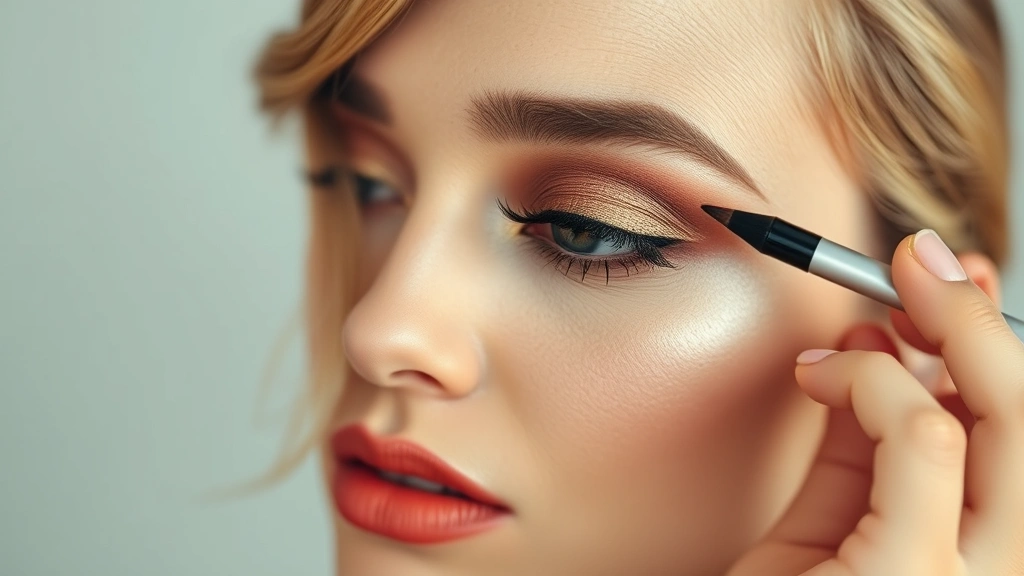
Eyeshadow application was an art form during this period. The typical approach involved using two to three coordinating shades to create a gradient effect across the eyelid. A lighter, neutral shade would be applied across the entire lid, a medium shade would be placed in the crease to create shadow and dimension, and a darker shade would be applied along the lash line and blended upward. This technique created the illusion of a lifted, more open eye.
Popular eyeshadow colors included soft browns, warm golds, bronze, and muted greens. These earthy, neutral tones complemented the fair complexions that were fashionable during the era. Shimmer and glitter were not used; the finish was always matte or subtly satin. The focus was on creating shape and definition rather than shine or sparkle.
Eyeliner was applied with precision and intention. A thin line of dark brown or black liner would be drawn along the upper lash line, often extending slightly beyond the outer corner to create a subtle winged effect. The lower lash line received minimal liner, sometimes just a small amount at the outer corner. This approach created a lifted, elegant eye shape that photographed beautifully and worked with the overall aesthetic of refined sophistication.
Mascara was a crucial product in the 1930s makeup kit. Early mascara formulas were cake-based, applied with a damp brush that would be rubbed against the cake to pick up product. These mascaras were often thick and could be somewhat clumpy by modern standards, but they created dramatic lash definition that was highly valued. Women would apply mascara to both upper and lower lashes, creating a bold frame for the eyes. Multiple coats were common, building up the product to create maximum impact.
Eyebrow definition complemented the eye makeup perfectly. Rather than the thin, over-plucked brows that had been fashionable in the twenties, 1930s eyebrows were fuller and more naturally shaped. They were groomed and defined with pencil or powder, but the goal was enhancement rather than dramatic alteration. The arch was subtle, and the overall effect was polished and intentional.
Lips: The Focal Point of 1930s Makeup
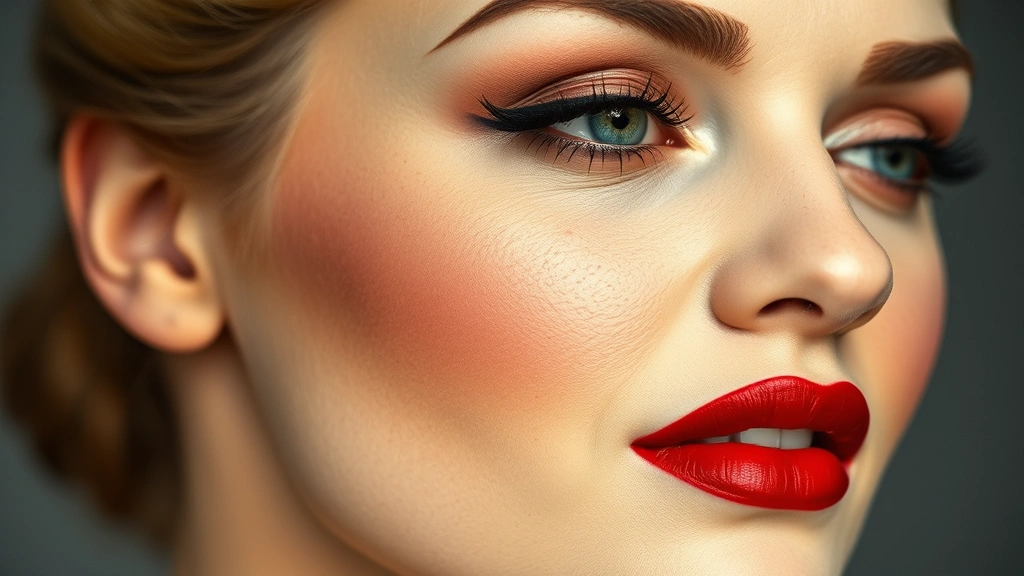
If the eyes were the window to the soul in 1930s makeup, the lips were undoubtedly the statement. Lip color was bold, deliberate, and carefully applied. The lips served as the focal point of the entire makeup look, and achieving the perfect shade and shape required skill and attention to detail.
The ideal lip shape during the 1930s was fuller and more naturally proportioned than the tiny cupid’s bow of the twenties. Women aimed for a well-defined mouth with clear edges and a balanced proportion between upper and lower lips. Lip pencils were used to outline and shape the lips, creating a precise border before filling in with lipstick. This technique allowed for subtle adjustments to the natural lip shape—slightly fuller lips, a more defined cupid’s bow, or a more balanced proportion.
Lipstick shades ranged from deep reds to warm brick tones, burgundies, and occasionally browns. The most iconic 1930s lip color was a true red—not orange-toned, not blue-toned, but a pure, classic red that conveyed confidence and glamour. Darker, more muted shades were also popular for evening wear and more formal occasions. The finish was typically matte or cream, with a rich, opaque color that photographed beautifully and lasted through the day.
Lip application technique was meticulous. Women would use a lip brush to carefully apply lipstick, ensuring even color distribution and clean edges. The upper lip would be filled in first, then the lower lip, with careful attention to creating symmetry. Blotting with tissue was common, removing excess product and ensuring the color set properly. Some women would apply a second layer for deeper color and better staying power.
Lip gloss as we know it today did not exist in the 1930s, though some women used petroleum jelly or other moisturizing products over their lipstick for a subtle sheen. The primary goal was color and definition rather than shine. Matte lips conveyed sophistication and elegance, while a high-shine finish might have been considered too casual or youthful for the refined aesthetic of the era.
Eyebrows: Shape and Significance
Eyebrows during the 1930s were a study in controlled elegance. After the over-plucked, nearly invisible brows of the 1920s, the 1930s saw a return to fuller, more defined eyebrows that framed the face and complemented the eye makeup.
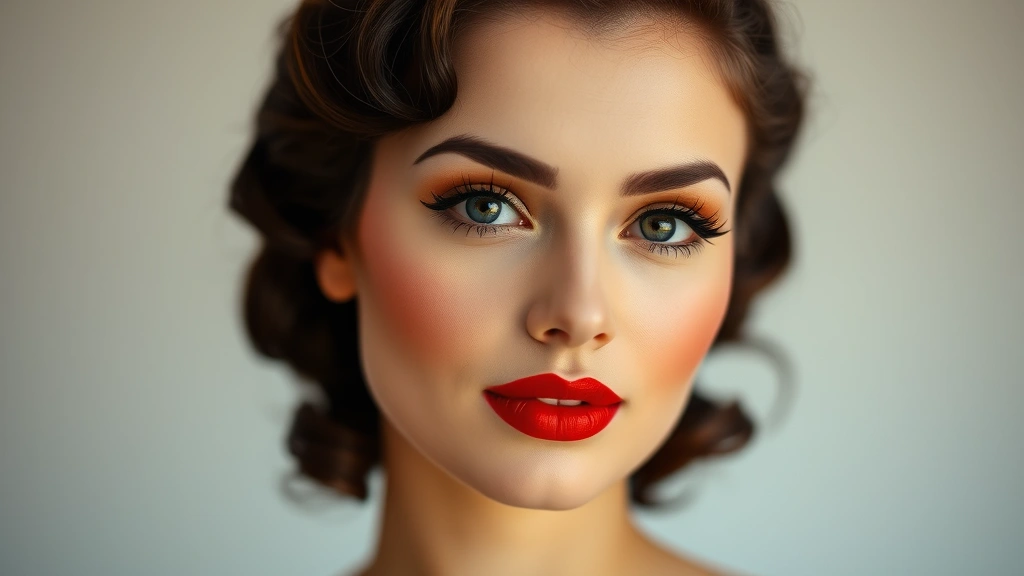
The ideal 1930s eyebrow had a gentle arch, started relatively close to the inner eye, extended across the lid, and tapered toward the temple. The arch was not dramatic or overly high—it was subtle and natural-looking, enhancing the bone structure without appearing artificial. Eyebrows were groomed and shaped through plucking, but the goal was refinement rather than dramatic alteration.
Eyebrow color was typically a shade or two darker than the natural hair color, created using eyebrow pencil or powder. Brown shades were most common, with variations from warm golden-browns to cooler ash-browns depending on hair and skin tone. Black eyebrows were less common unless the woman had naturally black hair. The application was careful and deliberate, with individual hair-like strokes creating a natural appearance rather than a harsh, drawn-on look.
Eyebrow grooming products were limited compared to modern options. Women used tweezers for plucking and pencils for definition. Some used soap or a stiff brush to set the brows in place, though commercial brow gels did not exist. The emphasis was on maintaining the natural brow shape while ensuring it was clean, defined, and complementary to the overall makeup look.
Color Palettes and Seasonal Trends
The 1930s saw distinct seasonal variations in makeup color choices, with women adjusting their palettes based on the time of year and the occasion. Understanding these color trends provides valuable insight into the aesthetic principles that guided 1930s beauty.
Spring and summer makeup favored lighter, fresher tones. Eyeshadows shifted toward soft golds, warm beiges, and light bronzes. Blush colors became more peachy and less intense, suggesting a natural flush from sunshine rather than artificial color. Lip colors lightened as well, with coral-reds, warm pinks, and lighter reds becoming more popular. The overall effect was bright, fresh, and youthful while maintaining the refined sophistication that defined the era.
Autumn and winter called for deeper, richer tones. Eyeshadows became warmer and more saturated, with bronze, warm brown, and even subtle green shades gaining popularity. Blush colors deepened to brick-reds and warmer terracottas. Lip colors shifted toward deeper reds, burgundies, and occasionally brown-toned shades. These richer palettes conveyed warmth and depth, complementing the seasonal shift in clothing and overall aesthetic.
Evening makeup was noticeably more dramatic than daytime looks. Women would deepen their eyeshadow application, add more mascara, and choose richer lip colors for formal occasions and social events. The techniques remained the same, but the intensity increased. This distinction between day and evening makeup was an important aspect of 1930s beauty culture—having different looks for different occasions demonstrated sophistication and proper grooming etiquette.
Geographic location also influenced color choices. Women in different regions and climates adapted their makeup palettes to suit local beauty standards and the characteristics of their skin tones. Additionally, individual skin tone played a significant role in color selection, with makeup artists and beauty columnists often providing guidance on which shades would be most flattering for different complexions.
Iconic Products and Brands of the Era
The 1930s cosmetics market was vibrant and competitive, with numerous brands offering products specifically designed for the makeup techniques and looks that defined the era. Many of these brands, some of which still exist today, became synonymous with quality and style during this period.
Max Factor was perhaps the most iconic makeup brand of the 1930s, having built its reputation in the film industry. The company’s products were specifically formulated for theatrical and film use, but everyday consumers eagerly purchased the same products used by Hollywood stars. Max Factor’s foundations, powders, and lipsticks set industry standards and were considered the gold standard for quality and performance.
Revlon, founded in 1932, quickly became a major player in the cosmetics industry. The brand’s nail polish was initially the primary product, but the company rapidly expanded to include lipsticks and other makeup items. Revlon’s marketing strategies were innovative and appealed to modern, fashion-forward women. The brand’s products were affordable yet high-quality, making sophisticated makeup accessible to a broader audience.
Maybelline, another brand that emerged during this era, focused on mascara and eye products. The brand’s cake mascara became iconic, and women appreciated the affordable price point combined with effective formulation. Maybelline’s marketing emphasized the dramatic eye definition their products could achieve, aligning perfectly with 1930s beauty ideals.
Pond’s was a trusted brand for skincare and foundation products. Their cold cream was a staple in many beauty routines, serving as both a moisturizer and a primer for makeup application. Pond’s advertising emphasized scientific formulation and dermatological benefits, appealing to women who wanted both beauty and skincare benefits from their products.
Coty, Elizabeth Arden, and Chanel also offered prestigious makeup and skincare products during the 1930s. These luxury brands catered to women with higher budgets, offering sophisticated packaging and premium formulations. However, the democratization of beauty meant that even women with limited budgets could achieve fashionable looks using more affordable products from drugstore brands.
How to Recreate 1930s Makeup Today
Recreating authentic 1930s makeup is entirely possible with modern products and a clear understanding of the techniques and aesthetic principles that defined the era. Whether you’re interested in exploring beauty history or preparing for a costume event, following these guidelines will help you achieve an accurate, beautiful 1930s makeup look.
Start with skincare and primer: Begin with a well-moisturized face. Apply a modern primer to create a smooth base for makeup application. While 1930s women used cold cream, modern primers provide better longevity and smoother texture.
Foundation and powder: Use a full-coverage foundation that matches your skin tone perfectly. Apply with a sponge or brush, blending carefully to avoid visible lines. Set with translucent powder, applying multiple thin layers rather than one heavy application. Focus on setting the T-zone and areas prone to shine.
Blush: Choose a warm, earthy blush shade in terracotta, brick-red, or warm peach. Apply to the apples of the cheeks and blend upward toward the temples. Keep the application subtle—you want a suggestion of color rather than obvious pigment.
Eyeshadow: Use a light neutral shade across the entire lid, a medium shade in the crease for dimension, and a darker shade along the lash line. Blend carefully to create a seamless gradient. Stick to matte finishes in browns, golds, bronzes, and warm neutrals.
Eyeliner: Apply a thin line of dark brown or black liner along the upper lash line, extending slightly past the outer corner for a subtle winged effect. Use minimal or no liner on the lower lash line, or just a small amount at the outer corner.
Mascara: Apply multiple coats of black or dark brown mascara to upper and lower lashes, building up the product for dramatic definition. Comb through between coats to avoid clumping.
Eyebrows: Groom and define your brows using a pencil or powder in a shade that complements your hair color. Create a gentle arch and ensure the brows frame the face naturally.
Lips: Line your lips with a lip pencil in a shade matching or slightly darker than your lipstick. Fill in carefully, creating a well-defined mouth. Apply lipstick with a lip brush, ensuring even color and clean edges. Choose classic red, warm brick, burgundy, or brown-toned shades depending on your coloring and the occasion.
The key to successful 1930s makeup recreation is understanding that the era valued polish and precision. Every element should appear intentional and carefully applied. The overall effect should be glamorous yet refined, dramatic yet elegant. Modern makeup products can absolutely achieve this aesthetic—you simply need to understand the principles and techniques that defined the era.
FAQ
What was the most important makeup product in the 1930s?
While all makeup products were important, lipstick was arguably the most crucial. The lips were the focal point of the entire makeup look, and a woman’s lipstick color was often the first thing people noticed. A bold, well-applied lip color conveyed confidence and glamour and could elevate an entire look.
Did 1930s women wear makeup every day?
Yes, makeup was considered an essential part of proper grooming during the 1930s, even for everyday activities. However, the intensity of the makeup varied—daytime looks were more subtle and natural-appearing than evening makeup. Even women doing housework or running errands typically wore at least some makeup, usually powder, blush, and lipstick at minimum.
How did 1930s makeup differ from 1920s makeup?
The 1920s featured extreme makeup with heavy kohl lining, tiny cupid’s bow lips, and an androgynous aesthetic. The 1930s embraced a more refined, feminine look with softer eye makeup, fuller lips, and an emphasis on sculpting and dimension. The 1930s approach required more technical skill and multiple products to achieve the polished appearance that was fashionable.
What skin tone was considered ideal in the 1930s?
Fair, porcelain-like skin was the beauty ideal during the 1930s. Women went to great lengths to maintain pale, unblemished complexions, using heavy powders and avoiding sun exposure. This contrasted sharply with modern beauty standards that often celebrate tanned or deeper skin tones.
How long did 1930s makeup typically last throughout the day?
Makeup longevity was limited by modern standards. Without long-wear formulas or setting sprays, makeup would fade and require touch-ups throughout the day. Women typically carried compact mirrors and powder compacts to refresh their makeup as needed. Lipstick required frequent reapplication, especially after eating or drinking.
Were there any specific makeup trends for different types of occasions?
Absolutely. Daytime makeup was more subtle and natural-appearing, focusing on a polished complexion and modest color. Evening and formal occasion makeup was noticeably more dramatic, with deeper eyeshadow colors, more mascara, and richer lip colors. Professional and social contexts also influenced makeup choices, with working women sometimes wearing slightly less dramatic makeup than those attending social events.
What was the role of makeup artists in shaping 1930s beauty standards?
Professional makeup artists, particularly those working in film and theater, had enormous influence on 1930s beauty standards. The techniques they developed for actresses were studied and replicated by everyday women. The close relationship between Hollywood and the cosmetics industry meant that film makeup trends quickly became mainstream beauty trends.
Can I achieve 1930s makeup with modern products?
Yes, absolutely. Modern makeup products are generally superior to 1930s formulations in terms of texture, longevity, and ease of application. Understanding the principles and techniques of 1930s makeup allows you to achieve authentic-looking results using contemporary products. The key is focusing on the techniques and aesthetic rather than trying to use actual vintage products.
How did the Great Depression influence 1930s makeup trends?
The Great Depression paradoxically boosted the cosmetics industry. Makeup remained an affordable luxury that allowed women to feel glamorous despite financial hardship. The emphasis on accessible, wearable beauty meant that sophisticated makeup looks could be achieved with drugstore products rather than expensive luxury brands. This democratization of beauty was one of the defining characteristics of the era.
Were there any regional differences in 1930s makeup preferences?
Yes, regional and cultural differences influenced makeup choices. Urban women, particularly those in major cities like New York and Los Angeles, often embraced more dramatic, fashion-forward looks. Rural women might have worn less makeup overall or preferred more subtle color choices. Additionally, different ethnic communities had their own beauty standards and preferences, though mainstream beauty culture was heavily influenced by Hollywood’s predominantly white aesthetic.

Related Posts

Perfect Old Fashioned Donut: Baker’s Secrets
Old Fashioned Chocolate Pie Recipe? Chef’s Favorite