1920s Makeup for Men? Historical Insights
The 1920s represent one of history’s most transformative decades for fashion and beauty culture. While we often associate this era with flapper dresses and bold makeup for women, the question of makeup for men during this period reveals a fascinating and often overlooked aspect of 1920s fashion history. The truth is that male grooming in the Jazz Age was far more nuanced than contemporary stereotypes suggest, and understanding this era provides valuable insights into how beauty standards have evolved and shifted across gender lines.
During the 1920s, the cultural landscape was shifting dramatically. Post-World War I society embraced modernity, jazz, and a rejection of Victorian constraints. While men’s fashion maintained its structured silhouette through tailored suits and slicked-back hair, the grooming rituals and products available to men began to expand in ways that challenge modern assumptions about masculinity and cosmetics. This exploration of 1920s makeup for men opens doors to understanding not just historical beauty practices, but also the complex relationship between gender, commerce, and self-presentation that continues to influence modern makeup and grooming culture.
The 1920s Male Grooming Revolution
The 1920s marked a pivotal moment in male grooming practices, though it’s often overshadowed by the more dramatic changes in women’s beauty standards. Prior to this decade, men’s grooming was relatively straightforward: a clean shave, pomade for the hair, and perhaps some cologne. However, the 1920s introduced a more sophisticated approach to male appearance that incorporated elements we might today associate with skincare and cosmetics.
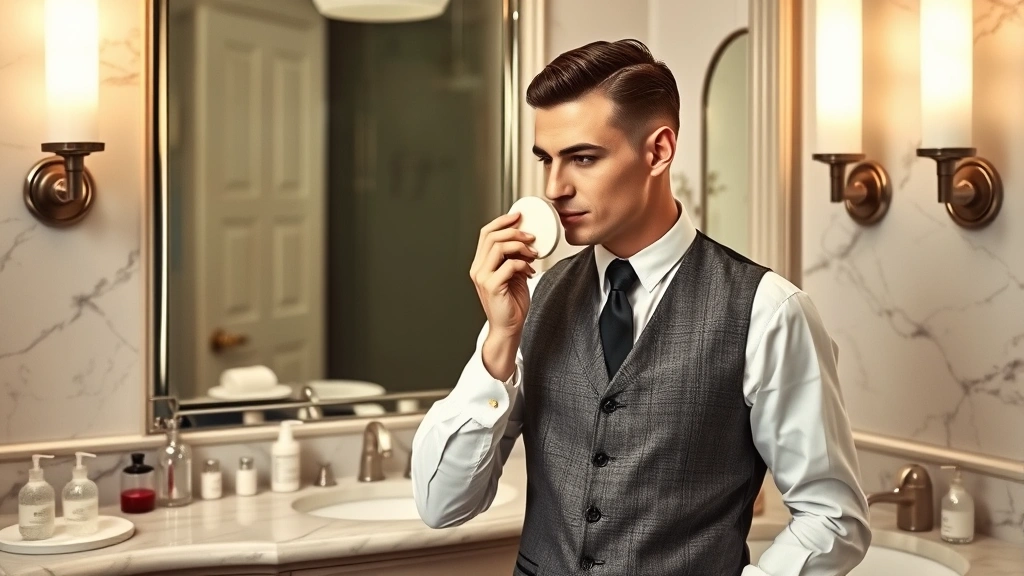
One of the most significant developments was the widespread adoption of face powder among fashionable men. Unlike the heavy theatrical makeup of earlier decades, 1920s male face powder served a practical purpose: controlling shine and creating a matte complexion that photographed well and appeared polished in person. This wasn’t considered feminine or controversial among well-dressed gentlemen—it was simply part of maintaining an impeccable appearance. The powder came in subtle shades designed to match various skin tones, and application was kept minimal and natural-looking. Men would use a soft brush or puff to apply powder after shaving and before heading out for social engagements.
The influence of sustainable fashion brands and historical fashion movements shows us how beauty standards have always been intertwined with broader cultural values. During the 1920s, the emphasis on polish and refinement reflected the era’s optimism and embrace of modernity. Men who worked in professional settings, entertainment, or upper-class social circles understood that grooming was an investment in their social standing and professional success.
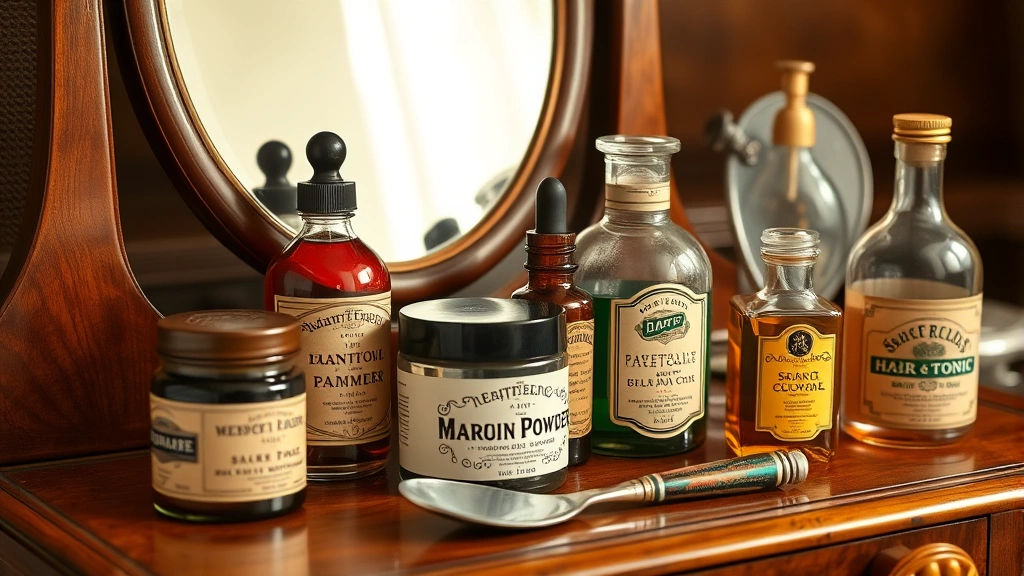
Pomades and hair tonics became essential products for the 1920s man. These weren’t simply styling products—they were marketed as hair health treatments that promoted growth, prevented baldness, and added shine to the hair. The most popular styles of the decade required significant product application: the slicked-back look, the side part with waves, and the high shine finish all demanded quality pomades. Brands like Brilliantine and various coconut oil-based products dominated the market, and men took great pride in achieving the perfect wave and shine in their hair.
Products Men Actually Used in the Jazz Age
Understanding what products were actually available and used by 1920s men requires looking beyond assumptions and examining historical advertisements, beauty manuals, and personal accounts from the era. The cosmetics industry was booming in the 1920s, and while marketing often emphasized women’s products, men’s grooming products were equally sophisticated and increasingly diverse.
Face Powders and Complexion Products
Men’s face powders in the 1920s came in several varieties. The most popular were loose powders applied with a soft brush, which allowed for precise control over application. These powders served multiple purposes: they reduced shine, provided a slight matte finish, and sometimes contained ingredients like zinc oxide or talc that were believed to have skincare benefits. Some powders included antiseptic properties, marketed to men as protection against the elements and environmental pollutants. The color range was subtle—pale flesh tones, light tan, and slightly darker shades for men with deeper complexions.
Beyond powder, men also used complexion creams and cold creams. These were marketed as essential for maintaining healthy skin, protecting against harsh weather, and preventing premature aging. Cold cream, in particular, was a staple in many men’s grooming routines. Applied at night, it was believed to nourish the skin and maintain a youthful appearance. This wasn’t considered unusual or feminine—it was simply practical skincare.
Pomades, Brilliantines, and Hair Products
The 1920s hair product market was incredibly robust. Pomades ranged from light brilliantines to heavy, waxy formulations. Brilliantine, derived from coconut oil or mineral oil, was perhaps the most iconic 1920s hair product. It provided hold, shine, and was believed to condition the hair and scalp. Men would apply pomade to damp hair and comb it into place, creating the signature waves and slicked-back styles of the era. The better the pomade, the longer the style would hold and the shinier the finish.
Hair tonics were equally important. These were liquid products applied to the scalp, often containing alcohol, oils, and various herbal extracts. They were marketed as stimulating hair growth, preventing baldness, and maintaining scalp health. Many 1920s men used hair tonics daily, viewing them as preventative medicine against hair loss.
Shaving Products and Aftershave
Shaving was a ritualistic and important part of 1920s male grooming. Straight razors were still the standard, and men took great care with their shaving soaps, creams, and aftershave products. Quality shaving cream was essential—it needed to provide a rich lather that would soften the beard and protect the skin. Aftershave products ranged from simple colognes to specialized balms designed to soothe and protect the skin after shaving. Some aftershaves contained antiseptic properties and were marketed as healing irritated skin or preventing razor burn.
Eau de Cologne and fragrances were absolutely essential to 1920s male grooming. A well-dressed man would apply cologne after shaving and throughout the day. The scents were often subtle and sophisticated—citrus notes, florals, and woody scents were popular. Cologne was considered a mark of refinement and attention to detail.
Theatrical and Entertainment Influence
The entertainment industry had an enormous influence on 1920s male beauty standards and grooming practices. Hollywood was booming, and film stars set trends that men across the country eagerly followed. Many of these film stars wore more noticeable makeup for performances, including eyeshadow, eyeliner, and lip color, which created a fascinating gray area in terms of what was considered acceptable for everyday men.
Silent film actors, in particular, wore significant makeup because the technology required heavier products to be visible on camera. The stark black and white film stock demanded strong definition around the eyes and lips. Off-camera, some of these actors maintained more subtle versions of their on-screen looks, influencing a certain segment of fashion-forward men to experiment with light makeup applications.
Cabaret performers, dancers, and musicians in the 1920s were more openly experimental with makeup. In venues like speakeasies and jazz clubs, performers wore eyeshadow, rouge, and lip color as part of their stage presence. The line between male and female performers was often deliberately blurred in these entertainment spaces, reflecting the era’s cultural rebellion and openness to gender nonconformity in certain contexts.
The influence of fashion publications like Vogue cannot be overstated. These magazines featured beauty advice for both men and women, and while the advice for men was more conservative, it still acknowledged the importance of cosmetics and grooming products. Vogue’s 1920s issues often included articles about men’s complexion care and the importance of maintaining a polished appearance.
Social Class and Grooming Standards
One crucial aspect of understanding 1920s makeup for men involves recognizing the role of social class. The use of cosmetics and grooming products among men was heavily influenced by socioeconomic status, profession, and social aspirations.
Upper-Class and Professional Men
Wealthy men and those in professional positions—lawyers, doctors, businessmen—maintained rigorous grooming routines that included many of the products mentioned above. For these men, appearance was directly linked to professional success and social standing. A well-groomed appearance signaled competence, trustworthiness, and refinement. Face powder, hair pomade, and quality skincare products were simply part of maintaining the expected standard.
Working-Class Men
Working-class men had more limited access to grooming products and less social pressure to maintain elaborate routines. However, even among working-class men, basic grooming was important. A clean shave, slicked-back hair with pomade, and perhaps a splash of cologne were attainable and common. The difference was more one of degree than kind—working-class men might use fewer products and less expensive formulations, but the basic grooming philosophy was similar.
Immigrant and Minority Communities
Different ethnic communities in 1920s America had varying grooming traditions and standards. Some immigrant groups brought with them sophisticated grooming practices from their home countries. Italian, Jewish, and other European immigrant communities often had strong grooming traditions, and the 1920s cosmetics industry catered to these diverse markets with products formulated for different skin types and hair textures.
The Role of Advertising in Male Beauty
Advertising in the 1920s played a crucial role in shaping male beauty standards and promoting cosmetic products to men. Unlike modern advertising, which often maintains strict gender divisions in beauty product marketing, 1920s advertising was more fluid and experimental.
Advertisements for men’s grooming products often emphasized health, professionalism, and attractiveness. The language was carefully chosen to avoid feminizing the products—instead of “beauty,” ads talked about “grooming,” “refinement,” and “professional appearance.” The benefits were framed in terms of business success, romantic appeal, and social advancement rather than vanity or beauty for its own sake.
Magazine advertisements from publications like Esquire (launched in 1933 but with precedents in earlier men’s magazines) and general interest publications featured grooming products prominently. These ads often featured illustrations of well-dressed men with perfect skin, shiny hair, and polished appearances. The implicit message was clear: proper grooming using quality products was essential for success.
Radio advertising also played a role in promoting men’s grooming products. As radio became more prevalent in the late 1920s, companies advertised their products through this new medium, reaching men in their homes and creating awareness of new grooming innovations.
The marketing strategy for men’s cosmetics in the 1920s offers interesting parallels to modern discussions about beauty and self-care for all genders. Even then, companies understood that men cared about their appearance and were willing to purchase products to improve it—they just needed the marketing to frame it in ways that aligned with contemporary masculinity norms.
Comparing 1920s Male Grooming to Modern Standards
Looking at 1920s male grooming practices through a modern lens reveals how much—and how little—has changed regarding masculinity, beauty, and cosmetics.
Similarities to Modern Male Grooming
Modern men’s grooming has much in common with 1920s practices. The emphasis on skincare, hair care, and fragrance remains central to male grooming. Today’s men’s skincare products—face creams, serums, and moisturizers—serve the same functions as 1920s cold creams and complexion products. Modern pomades and styling products are direct descendants of 1920s brilliantines and hair tonics. The basic grooming philosophy—that men should invest in their appearance through quality products—remains unchanged.
The role of social media influencers and celebrities in setting grooming trends parallels the influence of 1920s film stars. Just as men in the 1920s looked to Hollywood actors for grooming inspiration, modern men follow social media personalities and celebrities. The underlying principle is the same: appearance matters for social and professional success.
Differences and Evolution
The most significant difference between 1920s and modern male grooming is the openness about using cosmetics. While 1920s men used face powder, they would never have called it “makeup.” Modern men are increasingly willing to use products that would historically have been labeled as makeup—foundation, concealer, eyeshadow, and even mascara—without the same gender anxiety.
This shift reflects broader changes in gender norms and cultural attitudes. The rigid gender divisions in cosmetics marketing that solidified in the mid-20th century are now being challenged and dismantled. Men today can use products across the entire beauty spectrum without the same social stigma that would have existed in the mid-20th century (though it’s worth noting that 1920s attitudes were more fluid than the mid-century period).
Another significant difference is the formulation and sophistication of modern products. While 1920s grooming products were quite advanced for their time, modern cosmetics and skincare utilize cutting-edge chemistry, dermatological research, and technology that would seem miraculous to a 1920s man. The range of products, shades, and formulations available today is vastly greater.
The Cyclical Nature of Beauty Standards
Understanding 1920s male grooming practices reminds us that beauty standards and gender norms are not fixed or inevitable—they’re culturally constructed and constantly evolving. The 1920s were a period of relative openness regarding male cosmetic use, followed by a more restrictive mid-20th century, and now we’re experiencing another opening-up of attitudes toward male beauty and cosmetics.
This historical perspective is valuable for anyone interested in fashion, beauty, or gender studies. It demonstrates that the contemporary “men wearing makeup” conversation isn’t entirely new—it’s a return to attitudes that were more normalized in earlier eras, combined with modern innovations and a more conscious rejection of restrictive gender norms.
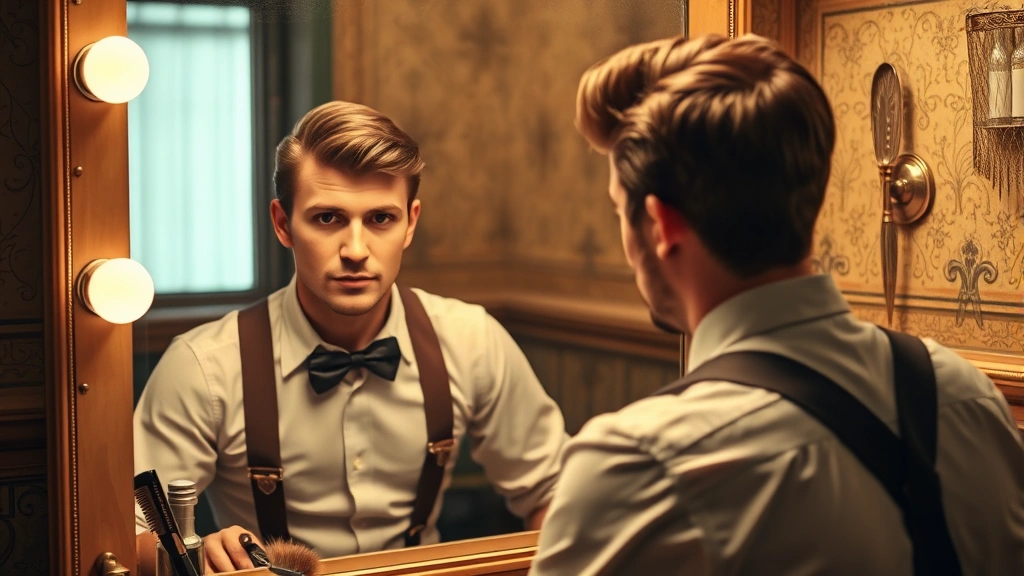
The legacy of 1920s male grooming extends beyond historical interest. It informs contemporary conversations about beauty, masculinity, and self-care. As we continue to evolve our understanding of gender and beauty, looking back at the 1920s provides valuable context. It shows us that men’s engagement with cosmetics and grooming products is not a modern invention or a sign of changing masculinity in a negative sense—it’s a return to a more natural and human approach to self-presentation that existed before mid-century gender anxieties artificially restricted male beauty practices.
For modern men interested in exploring grooming and beauty products, the 1920s offers both historical validation and practical inspiration. The era’s emphasis on quality products, proper technique, and the importance of grooming for professional and social success remains relevant. Whether it’s understanding the basics of pomade application, the importance of quality skincare, or the role of fragrance in a complete grooming routine, the 1920s man understood principles that remain valid today.
FAQ
Did 1920s men actually wear makeup?
Yes, though “makeup” is a loaded term. Men in the 1920s used face powder, hair products, skincare creams, and fragrances as part of their regular grooming routines. These products served practical purposes—controlling shine, protecting skin, and styling hair—rather than being used for dramatic color or coverage like theatrical makeup. The distinction between grooming products and makeup is more about cultural labeling than actual product differences.
Was using face powder considered feminine in the 1920s?
Not among well-dressed men of the era. Face powder was considered a professional grooming product, similar to how modern men view moisturizer or antiperspirant. It was marketed to men as a way to maintain a polished appearance and control shine. The gendering of cosmetics products became much more rigid in the mid-20th century than it was in the 1920s.
What were the most popular male grooming products in the 1920s?
The most popular products included hair pomades and brilliantines (for styling and shine), face powder (for complexion control), cold cream and complexion creams (for skincare), hair tonics (for scalp health), shaving creams and aftershave (for facial hair care), and colognes and fragrances (for finishing touches). These products were marketed to men as essential components of a refined appearance.
How did 1920s male grooming compare to Victorian-era grooming?
The 1920s represented a significant expansion and modernization of male grooming practices compared to the Victorian era. While Victorian men certainly groomed themselves, the 1920s saw the introduction of more sophisticated products, more open discussion of skincare and beauty, and greater influence from entertainment and advertising. The Jazz Age embraced modernity in grooming as in all aspects of culture.
Did all social classes have access to these grooming products?
Access varied by social class and economic status. Upper-class and professional men had access to the full range of quality grooming products and the time to maintain elaborate routines. Working-class men might have used simpler or less expensive versions of these products, but basic grooming was accessible across social classes. The cosmetics industry in the 1920s was large and diverse enough to serve multiple market segments.
How did entertainment industry influence male grooming in the 1920s?
Hollywood film stars and stage performers had enormous influence on 1920s male beauty standards. Film stars’ polished appearances set trends that men across the country attempted to emulate. Some performers, particularly in cabaret and jazz venues, were more experimental with makeup and grooming, influencing certain segments of the male population to be more adventurous with their appearance.
Are 1920s grooming practices relevant to modern male beauty routines?
Absolutely. Many modern male grooming practices have direct roots in 1920s traditions. The emphasis on quality skincare, the importance of hair care products, the role of fragrance, and the overall philosophy that grooming is important for professional and social success all trace back to 1920s practices. Modern products are more sophisticated, but the underlying principles remain the same.

Related Posts

Perfect Old Fashioned Donut: Baker’s Secrets
Old Fashioned Chocolate Pie Recipe? Chef’s Favorite