1920s Makeup Trends: Expert Insights
1920s Makeup Trends: Expert Insights
The 1920s represents one of the most transformative decades in beauty history, fundamentally reshaping how women approached makeup and self-expression. Often called the “Roaring Twenties,” this era brought unprecedented social change, and makeup became a powerful tool for women to signal their modernity and independence. The flapper movement embraced bold, dramatic makeup looks that stood in stark contrast to the pale, natural aesthetics of the Victorian era. Understanding these iconic trends offers valuable lessons for contemporary makeup enthusiasts and beauty professionals alike.
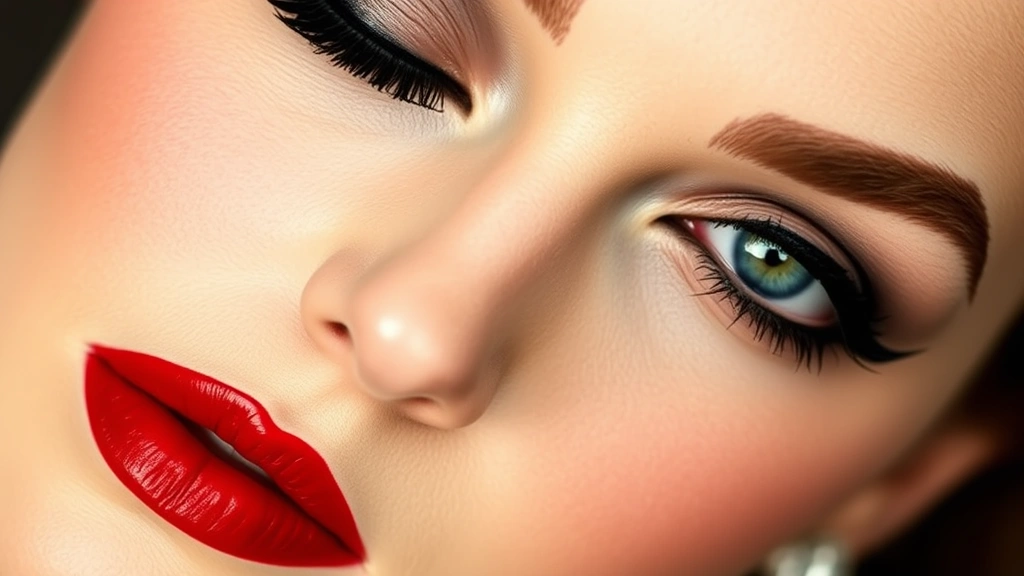
The makeup of the 1920s wasn’t merely about aesthetics—it was revolutionary. Women began experimenting with darker lipsticks, defined eyebrows, and dramatic eye makeup in ways their mothers never dared. Paired with fashion innovations of the era, these beauty choices created a complete aesthetic statement. Today’s makeup artists and beauty enthusiasts continue to draw inspiration from this golden age of glamour, adapting vintage techniques for modern application and longevity.
The Evolution of 1920s Makeup Aesthetics
The transition from Edwardian beauty standards to 1920s glamour marked a seismic shift in makeup philosophy. Victorian women favored pale skin and minimal makeup, viewing cosmetics with suspicion or moral judgment. The 1920s flipped this narrative entirely. Young women, emboldened by newly won voting rights and greater social freedom, embraced makeup as a form of rebellion and self-determination.
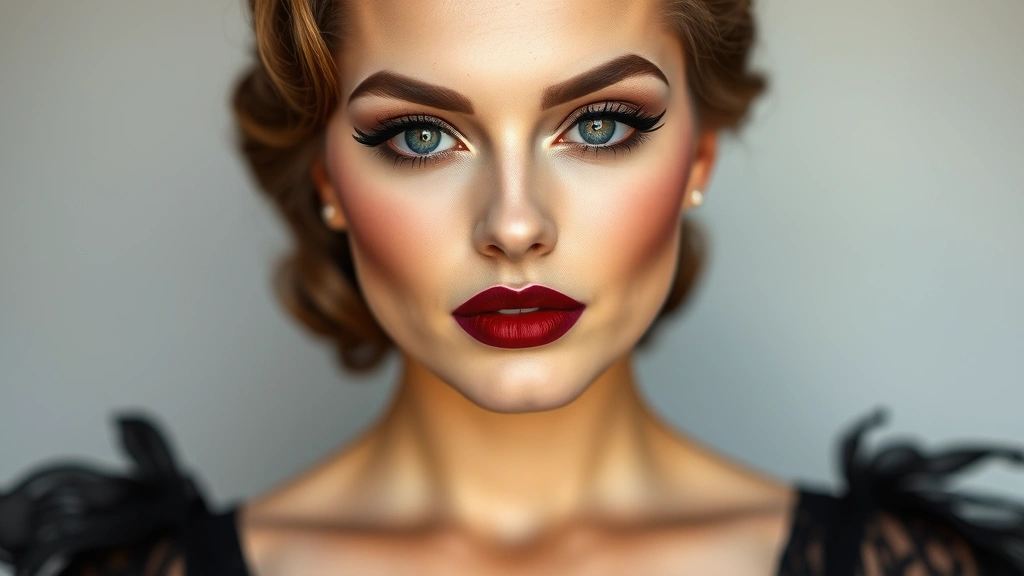
The defining characteristic of 1920s makeup was its dramatic, geometric precision. Eyes were emphasized with heavy kohl or black pencil, creating defined shapes that appeared larger and more expressive. The eyebrows were plucked thin and arched high, sometimes drawn on entirely with pencil to achieve the desired shape. This created what beauty historians call the “surprised” or “startled” expression that defined the era. Lips were painted in bold reds and deep burgundies, often in exaggerated Cupid’s bow shapes that extended beyond the natural lip line.
Interestingly, the 1920s makeup aesthetic complemented the era’s fashion dresses and clothing choices, which featured dropped waistlines, shorter hemlines, and looser silhouettes. The makeup was intentionally bold to match the daring clothing—both represented a rejection of restrictive Victorian norms. Beauty experts and makeup artists of the period understood that makeup application had become a crucial skill, teaching women through beauty columns and the newly emerging cosmetics industry how to achieve these looks.
Key Makeup Products and Formulations
Understanding 1920s makeup requires knowledge of the products available during this period. The cosmetics industry was booming, with companies like Max Factor, Maybelline, and Coty leading innovation in product formulation. However, the ingredients and textures were vastly different from modern formulations.
Face Powder: Loose powder was the foundation of 1920s makeup application. Women used generous amounts of face powder in shades like pale pink, ivory, or white to create that characteristic matte, powdered finish. These powders often contained talc, rice flour, and zinc oxide. The application was heavy by modern standards, creating a distinctive flat, almost mask-like appearance.
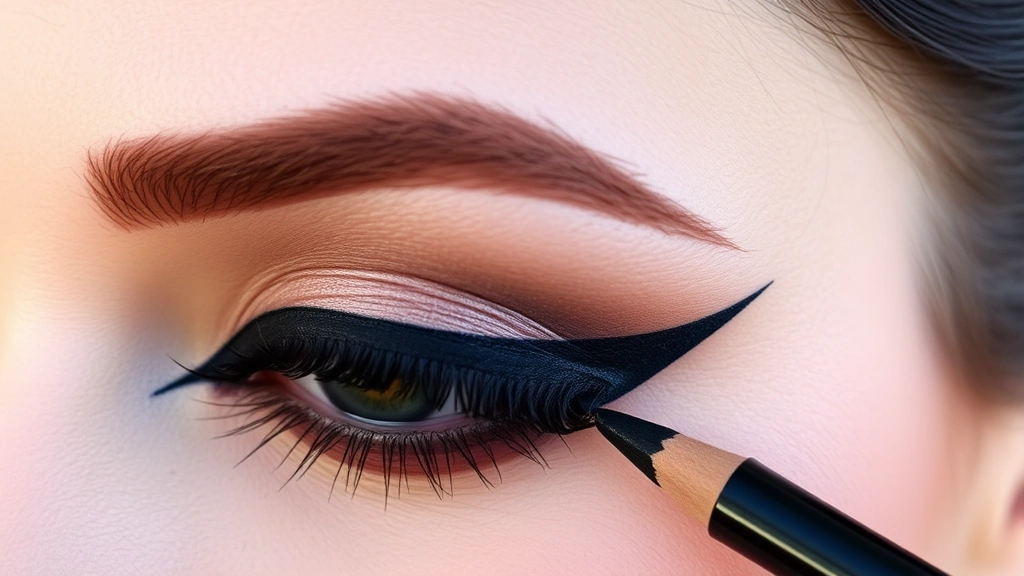
Kohl and Eye Pencils: The eyes required heavy definition, achieved primarily through kohl pencil or black grease pencil. These products were smudged along the upper and lower lash lines, and often extended outward in dramatic wings. Some makeup artists created double lines or geometric shapes with their kohl application.
Mascara: Early mascara came in cake form, applied with a wet brush. Maybelline’s famous “Lash-Brow-Ine” was a popular choice, creating dramatic, separated lashes. Women would apply multiple coats, building volume and definition that made eyes appear significantly larger.
Lipstick: Lipsticks of the 1920s were highly pigmented and often had a matte or satin finish. Popular shades ranged from bright reds to deep berries. Application was precise, often using a lip brush to create sharp, defined edges. The Cupid’s bow shape was paramount, sometimes requiring the lip color to extend slightly beyond the natural lip line.
Rouge: Cream rouge was applied to the apples of the cheeks in circular motions, creating a youthful flush. The placement was intentionally high on the cheekbones, contributing to the overall lifted, emphasized face shape.
Creating the Perfect Flapper Eye
The flapper eye is perhaps the most iconic element of 1920s makeup, and recreating it requires understanding the specific techniques and products involved. Modern makeup enthusiasts often struggle with achieving authentic 1920s eye makeup because current trends emphasize softer, more blended transitions. The 1920s approach was deliberately bold and graphic.
Step-by-Step Flapper Eye Application:
- Prime and Powder: Apply loose powder across the entire eyelid to create a smooth, matte base. This prevents creasing and helps subsequent products adhere properly.
- Define the Crease: Using a black or dark brown kohl pencil, create a defined line in the crease of the eyelid. This line should be sharp and deliberate, not blended.
- Line the Upper Lash Line: Apply heavy black kohl pencil along the entire upper lash line, making the line as thick or thin as desired. Many 1920s looks featured quite thick upper lines.
- Extend and Wing: Extend the line slightly past the outer corner of the eye, creating a subtle wing or geometric shape. Some looks featured dramatic wings, while others were more understated.
- Line the Lower Lash Line: Apply kohl to the inner waterline and along the lower lash line. This creates the characteristic “wide-eyed” appearance.
- Apply Mascara: Use cake mascara applied with a spoolie brush, building multiple coats for maximum drama and separation.
- Eyeshadow (Optional): Some 1920s looks incorporated subtle eyeshadow in neutral tones, though many relied primarily on kohl definition.
The key to authentic 1920s eye makeup is understanding that precision and definition were paramount. This wasn’t about soft, blended transitions or natural-looking makeup. Instead, graphic lines and bold shapes created the desired effect. Modern makeup artists attempting to recreate this look should embrace the geometric nature of the design rather than trying to soften or blend it away.
Iconic Lip Colors and Application Techniques
The lips were the focal point of 1920s makeup, and the application method was as important as the color choice. The signature “Cupid’s bow” shape defined the era, and achieving it required skill and precision.
Popular 1920s Lip Colors:
- Bright Red: The quintessential flapper lip, vibrant and unmissable
- Deep Burgundy: A sophisticated alternative, popular among evening wear
- Brick Red: A slightly more muted red, sometimes with orange undertones
- Plum: A dramatic purple-toned option for bold statements
- Berry: Rich, deep berry tones that photographed beautifully
The application technique was distinctive and required a steady hand. Women would often use a lip brush to paint the Cupid’s bow shape, sometimes extending slightly beyond the natural lip line to create a fuller appearance. The edges were kept sharp and precise—there was no blending or feathering. Some makeup artists would outline the lips with a darker pencil, then fill in with lipstick for added definition and longevity.
For evening events, women might apply their lipstick, blot, and reapply for enhanced color payoff and staying power. The matte finish was preferred, as glossy lips were not yet fashionable. When creating 1920s-inspired makeup today, using a long-wearing liquid lipstick or a lip pencil followed by a matte lipstick provides the best modern equivalent to authentic vintage application.
Eyebrow Trends and Shaping Methods
Perhaps no aspect of 1920s makeup is more distinctive than the eyebrows. The era featured dramatically thin, highly arched brows that created the famous “surprised” expression. This eyebrow trend was so extreme by modern standards that many contemporary makeup enthusiasts are surprised to learn about the extent of plucking that was required.
The 1920s Eyebrow Aesthetic:
Women would pluck their eyebrows extensively, removing most of the hair above the arch and creating a thin, high arch. Many eyebrows were plucked so thin that they became nearly invisible, requiring complete redrawing with eyebrow pencil. The ideal 1920s eyebrow was thin, arched, and often drawn slightly higher than the natural brow line. Some women even shaved off their eyebrows entirely and drew them on from scratch each day.
The eyebrow pencils of the era were typically black or dark brown, applied with a firm hand to create defined, graphic lines. The shape was usually angled upward, contributing to the lifted, youthful appearance that was so prized. Unlike modern eyebrow trends that emphasize natural, full brows, the 1920s celebrated extreme artificial enhancement.
For those recreating 1920s makeup today, it’s important to note that achieving this look requires either significant eyebrow plucking or the use of eyebrow-covering products and creative drawing. Many modern makeup artists use eyebrow pencils, powders, and even makeup to create the thin, arched 1920s shape while preserving their natural eyebrows underneath for contemporary occasions.
Complexion and Contouring Practices
While the eyes and lips captured attention, the overall complexion was equally important to achieving an authentic 1920s look. The approach to skin preparation and face shaping was distinctly different from modern contouring techniques.
Complexion Foundation: The 1920s didn’t feature foundation as we know it today. Instead, women relied on face powder, rouge, and careful skin preparation. A light dusting of powder created an even base, and multiple applications built coverage. The goal was a smooth, matte finish with no visible texture.
Contouring and Sculpting: Rather than the dimensional contouring popular today, 1920s makeup artists used rouge placement to create shape. Cream rouge applied in a circular motion on the apples of the cheeks created a youthful flush. The placement was high and prominent, contributing to the lifted appearance created by the thin, high eyebrows. Some makeup artists would apply rouge in a circular pattern, creating almost a painted-on quality.
Skin Tone Evening: The heavy powder application served to even out skin tone and create that characteristic matte, almost porcelain-like finish. This required careful powder selection to match skin tone, as the matte quality would otherwise appear ashy or artificial. Beauty experts of the era emphasized the importance of selecting the correct powder shade as one of the most crucial makeup decisions.
Recreating 1920s Makeup Today
Modern makeup enthusiasts interested in recreating 1920s looks have significant advantages over contemporary women of the era. Modern products offer better formulations, greater color ranges, and improved staying power. However, capturing the authentic spirit of the 1920s requires understanding the philosophy behind the makeup, not just copying the techniques.
Product Recommendations for Modern 1920s Recreation:
- Eyebrow Pencil: A firm, angled brush allows for precise, graphic eyebrow drawing. Brands like Beautiful With Brains offer detailed guidance on eyebrow application
- Eyeliner: A black liquid or gel eyeliner provides the precision needed for graphic 1920s lines. Pencil eyeliners also work well for a softer interpretation
- Mascara: Modern mascaras offer better performance than 1920s versions, but the goal remains the same: dramatic, separated lashes
- Lipstick: Long-wearing matte lipsticks in classic reds and berries provide authentic color and finish. A lip brush ensures precise application
- Face Powder: Translucent or tinted powders can recreate that matte, powdered finish without appearing ashy
When recreating 1920s makeup, consider the context and occasion. A full flapper look with thin eyebrows and bold lips makes sense for costume events, themed parties, or period-appropriate photography. For everyday wear inspired by 1920s trends, you might selectively incorporate elements—perhaps bold red lips with modern eyebrows, or graphic eyeliner with contemporary brow styling.
Understanding contemporary beauty journalism alongside historical research provides valuable perspective. Modern makeup artists and beauty writers often discuss how vintage techniques can be adapted for current sensibilities. The goal isn’t necessarily to look exactly like a 1920s flapper, but to understand and appreciate the techniques and philosophy that made these looks iconic.
For those interested in the broader context, exploring historical fashion and beauty archives provides authentic reference images and detailed information about period-accurate application. Additionally, modern beauty publications frequently feature articles on vintage makeup trends, offering contemporary interpretations and product recommendations.
FAQ
What was the most important feature of 1920s makeup?
The eyes were arguably the most important feature, with heavy kohl definition and dramatic shapes creating the signature “surprised” expression. However, bold lips in red and burgundy tones were equally iconic and instantly recognizable as 1920s makeup.
How did 1920s makeup differ from the Victorian era?
Victorian makeup emphasized paleness and minimal cosmetic use, while 1920s makeup was bold, dramatic, and heavily applied. The 1920s represented a complete rejection of Victorian beauty standards, embracing artificial enhancement and visible makeup as a form of modern self-expression.
Can I recreate 1920s makeup with modern products?
Absolutely. Modern makeup products actually work better than vintage formulations for achieving 1920s looks. The key is understanding the techniques and philosophy rather than being limited by product availability. Long-wearing formulas, precise applicators, and improved color ranges make modern recreation easier and more comfortable.
Did all women in the 1920s wear makeup like flappers?
No. The dramatic flapper makeup was primarily worn by younger, more fashion-forward women. Older women and those in more conservative circles continued wearing minimal makeup. The flapper look was revolutionary and somewhat controversial, representing a generational divide in beauty standards.
What eyebrow shape was popular in the 1920s?
The 1920s eyebrow was thin, highly arched, and often plucked to near invisibility, requiring redrawing with pencil. The arch was positioned high on the brow bone, creating a lifted, surprised expression. This extreme shaping is one of the most distinctive elements of authentic 1920s makeup.
How can I achieve 1920s lips without damaging my natural lips?
Use a long-wearing liquid lipstick or a combination of lip pencil and matte lipstick. This provides the precise application and color payoff of vintage makeup without requiring the heavy application that might damage natural lips. Always use a moisturizing lip balm underneath to protect your lips.
Were there any makeup trends within the 1920s decade itself?
Yes, makeup evolved throughout the 1920s. Early 1920s looks were somewhat more restrained, while by the late 1920s, makeup became progressively bolder and more dramatic. Eye makeup intensified, eyebrows became thinner, and lip colors became deeper and more saturated.

Related Posts
Perfect Old Fashioned Donut: Baker’s Secrets
Old Fashioned Chocolate Pie Recipe? Chef’s Favorite