1880s Makeup Trends: Are They Making a Comeback?
1880s Makeup Trends: Are They Making a Comeback?
The Victorian era, particularly the 1880s, represents one of the most fascinating periods in makeup history. During this decade, beauty standards were distinctly different from today, emphasizing pale complexions, dramatic eyes, and carefully sculpted features that conveyed both elegance and status. What’s truly captivating is how these vintage aesthetic principles are experiencing a remarkable resurgence in contemporary makeup artistry and fashion circles.
The 1880s were characterized by an intricate approach to cosmetics that reflected the social values and technological innovations of the time. Women spent considerable time perfecting their makeup routines, using natural pigments, powders, and creams to achieve the coveted Victorian look. Today, as makeup enthusiasts and beauty professionals explore historical inspiration, many are discovering that these time-honored techniques and color palettes offer fresh perspectives on modern beauty. Whether you’re interested in historical accuracy or simply seeking to incorporate vintage elements into your everyday makeup, understanding 1880s trends provides valuable insights into the evolution of beauty culture.
The Iconic 1880s Complexion: Pale and Porcelain
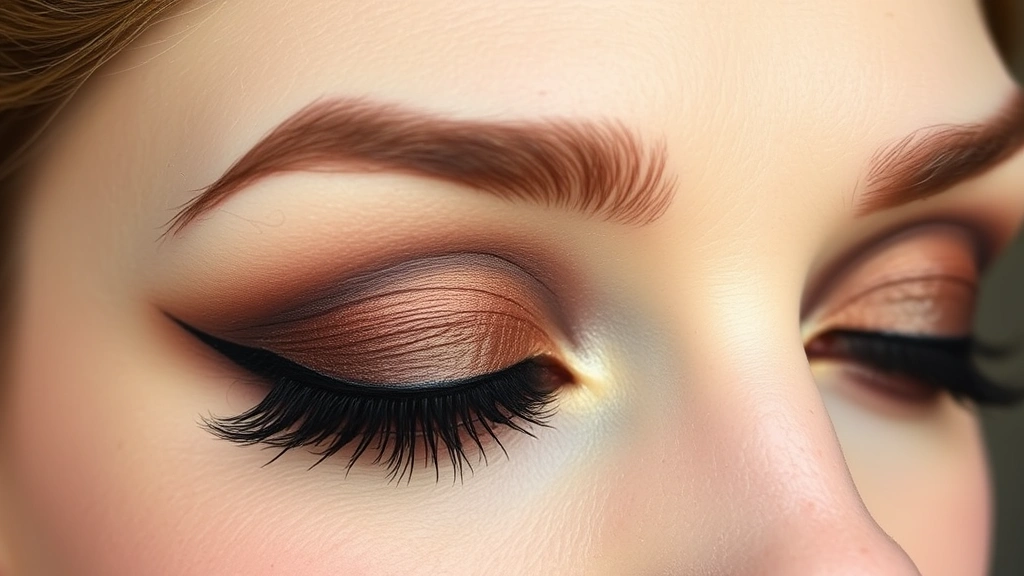
The foundation of 1880s makeup was undoubtedly the pursuit of an extremely pale, luminous complexion. This wasn’t simply a matter of aesthetic preference—pale skin signified wealth, leisure, and social status. Women who had pale complexions were understood to spend their days indoors, away from the sun, which indicated they didn’t need to labor outdoors. Achieving this look required dedication and specific products that modern makeup enthusiasts are now recreating.
To achieve the desired porcelain effect, Victorian women relied on heavy powders made from rice starch, bismuth, and lead compounds. While we now understand the dangers of lead-based cosmetics, the visual effect was undeniably striking. Modern makeup artists replicate this aesthetic using contemporary foundations, loose powders, and setting sprays that provide that characteristic matte, velvety finish without the health risks. The key to achieving an authentic 1880s complexion today involves selecting foundation shades several tones lighter than your natural skin tone and applying generous amounts of translucent powder to create that distinctive flat, non-reflective appearance.
The popularity of this pale aesthetic has led to renewed interest in what many call vintage beauty revival movements. Beauty bloggers and makeup educators are increasingly featuring tutorials that demonstrate how to achieve this historical look using modern, safer products. The contrast between the pale complexion and other makeup elements—particularly the eyes—created a striking visual composition that draws the viewer’s gaze upward, emphasizing facial features in a way that sophisticated makeup artists still admire.
Eye Makeup: Bold Drama and Definition
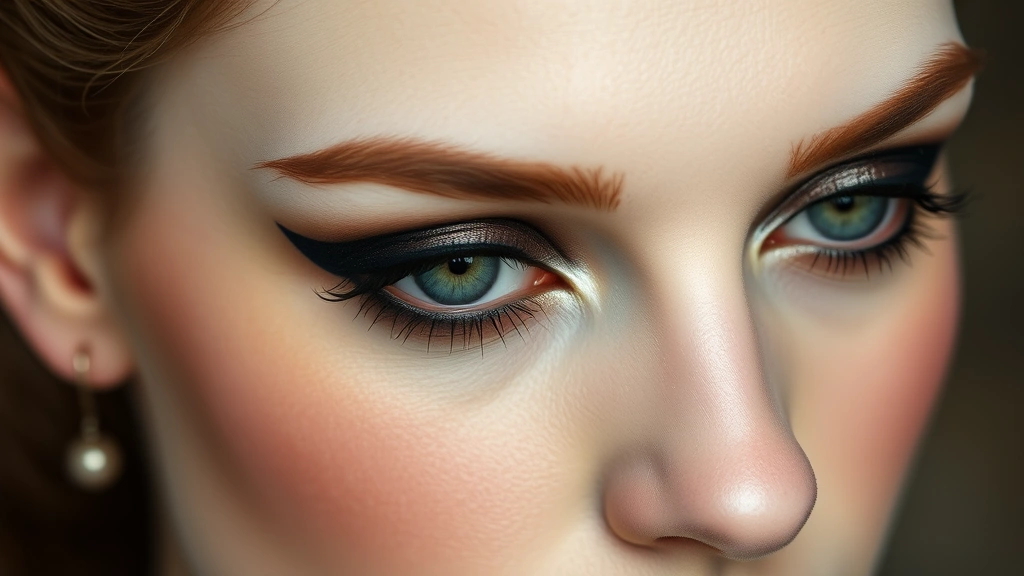
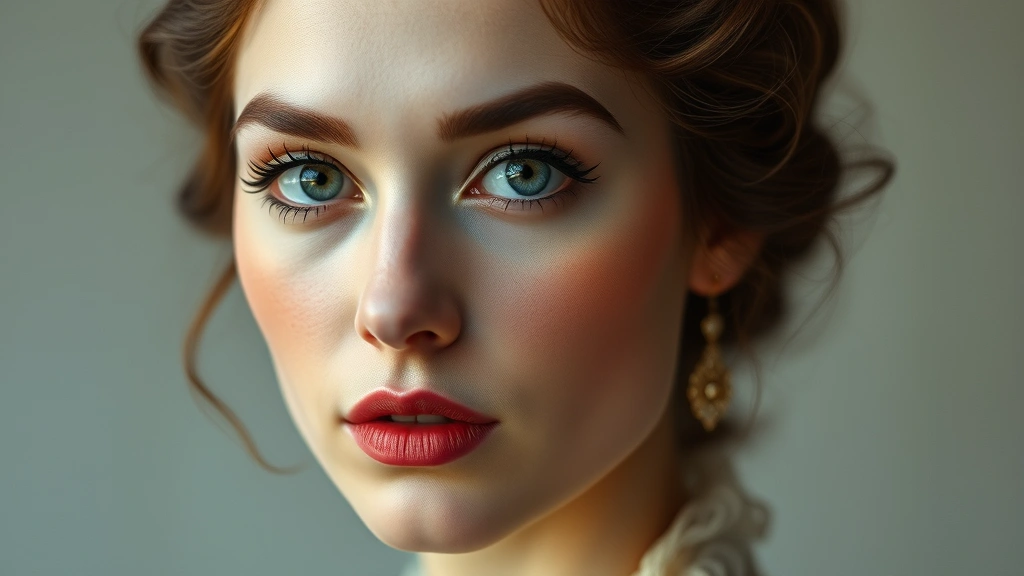
While the 1880s complexion was pale and muted, the eyes told a completely different story. This was an era of dramatic eye makeup that emphasized shape, depth, and intensity. The eye makeup of this period featured dark, heavily lined lids that created a distinctive hooded or mysterious appearance. Eyeshadow was typically applied in rich browns, blacks, and sometimes subtle greens or purples, creating dimension and drawing attention to the eye area.
Kohl and soot-based eyeliner were the primary tools for achieving the 1880s eye look. Women would apply heavy lines along both the upper and lower lids, often extending slightly beyond the natural eye shape to create a more dramatic effect. The goal was to create the illusion of larger, more expressive eyes—a beauty ideal that hasn’t fundamentally changed in over a century. What’s particularly interesting is how modern eyeshadow palettes and eyeliner formulations make it easier than ever to recreate these dramatic Victorian eyes with precision and longevity.
The resurgence of interest in vintage eye makeup has influenced contemporary beauty trends significantly. Many makeup artists now incorporate 1880s eye techniques into editorial and theatrical work, recognizing that the principles of eye definition and drama remain timeless. The heavy-handed approach to eyeliner, once considered outdated, is now celebrated as a bold fashion statement. Dark, smoky eyes paired with a pale base create that distinctive Victorian contrast that’s becoming increasingly popular among beauty enthusiasts who appreciate historical aesthetics.
Key 1880s eye makeup elements include:
- Heavy kohl or charcoal eyeliner on upper and lower lids
- Dark brown or black eyeshadow applied close to the lash line
- Subtle blending to create a soft smoky effect
- Extension of the eyeliner slightly beyond the eye’s natural shape
- Emphasis on creating depth and dimension in the eye socket
Lips and Cheeks: Subtle Sophistication
In stark contrast to the bold eye makeup, 1880s lip color was remarkably restrained. The prevailing beauty standard called for lips that were barely tinted, with color concentrated in the center of the lips rather than applied across the entire lip area. This created a pouty, pursed appearance that conveyed delicacy and refinement. Lip color, when used, was typically a very subtle rose or mauve tone, applied with precision using a small brush.
Cheek color in the 1880s followed a similar philosophy of subtlety and sophistication. Rather than the bold, sculpted cheekbones we see in modern makeup, Victorian women applied a soft, diffused flush of color to the apples of their cheeks. This blush was usually a pale pink or peachy tone, applied with a light hand to create a natural-looking glow that suggested health and vitality. The effect was one of understated beauty—the makeup was noticeable but never obvious, creating an impression of effortless elegance.
Contemporary makeup artists are rediscovering the appeal of this minimalist approach to lips and cheeks. In an era when bold, statement-making makeup is common, the subtle sophistication of 1880s lip and cheek makeup offers a refreshing alternative. This approach aligns well with the current trend toward more natural, dewy complexions, though with the added dimension of historical authenticity. Many beauty professionals now recommend this aesthetic for clients seeking a refined, timeless look that won’t feel dated in a few years.
Natural Ingredients and Period-Authentic Products
Understanding 1880s makeup trends requires knowledge of the ingredients and products available during that era. Victorian women didn’t have access to synthetic pigments and modern preservatives, so cosmetics were made from natural sources. Rose petals, plant extracts, mineral pigments, and animal fats formed the basis of most beauty products. While some ingredients were genuinely beneficial, others—like the previously mentioned lead compounds—posed serious health risks.
Modern makeup enthusiasts interested in achieving an authentic 1880s aesthetic often explore natural and organic cosmetic lines that mirror the ingredient profiles of historical products. Brands specializing in period-accurate makeup use mineral pigments, plant-based oils, and natural waxes to create products that perform similarly to their Victorian predecessors while maintaining contemporary safety standards. This intersection of historical authenticity and modern safety has created an interesting niche in the beauty market.
According to Smithsonian Magazine, the history of cosmetics reveals fascinating insights about how women have always sought to enhance their appearance using available resources. The study of historical makeup formulations provides valuable context for understanding beauty culture and social history. Many beauty historians and makeup artists now reference period-specific ingredient lists when developing historically inspired products, ensuring that contemporary recreations honor the original aesthetic while prioritizing user safety.
The interest in natural and historically-inspired cosmetics has also sparked conversations about how consumer choices affect sustainability and environmental impact. As more people seek natural, plant-based beauty products inspired by historical formulations, the demand for ethically sourced botanical ingredients has increased, encouraging more responsible sourcing practices within the beauty industry.
Modern Adaptations of Victorian Beauty
Today’s makeup artists and beauty enthusiasts aren’t simply recreating 1880s makeup exactly as it was done—they’re thoughtfully adapting these principles for contemporary contexts. This means taking the essential elements that made the look distinctive while incorporating modern products, techniques, and color theory. The result is a makeup style that feels historically inspired rather than like a costume.
One of the most popular modern adaptations involves pairing the pale complexion and dramatic eyes with slightly more color in the lips and cheeks than would have been historically accurate. This creates a more balanced look for contemporary faces and photography while still maintaining the fundamental aesthetic principles of the 1880s. Many beauty influencers have embraced this hybrid approach, creating tutorials that teach followers how to achieve vintage-inspired looks that work for everyday wear and social media.
The relationship between 1880s fashion and makeup has also evolved in interesting ways. As vintage fashion gains popularity, makeup trends naturally follow. Designers and stylists working with period fashion concepts often collaborate with makeup artists to develop cohesive looks that feel authentic to the era while remaining wearable in modern contexts. This collaborative approach has resulted in innovative interpretations of Victorian beauty that honor historical accuracy while acknowledging contemporary sensibilities.
Why Makeup Artists Love the 1880s Aesthetic
Professional makeup artists have compelling reasons for their growing interest in 1880s trends. First, the era represents a departure from contemporary beauty standards, offering clients something distinctive and memorable. In a landscape saturated with similar makeup trends, the 1880s aesthetic stands out as genuinely unique and conversation-starting. Second, the technical skills required to execute authentic Victorian makeup are genuinely challenging and rewarding, allowing artists to demonstrate mastery and artistry.
The 1880s makeup look also photographs beautifully, particularly in editorial and fashion photography contexts. The contrast between the pale complexion and dramatic eyes creates striking visual compositions that photograph well under various lighting conditions. This has made the aesthetic particularly popular for theatrical productions, period dramas, and high-fashion editorial shoots. Makeup artists appreciate how the historical context of the look adds depth and narrative to their work.
Additionally, the 1880s aesthetic appeals to makeup artists working in the gothic, steampunk, and alternative fashion communities. These subcultures have long drawn inspiration from Victorian era aesthetics, and authentic 1880s makeup principles provide a foundation for creating looks that feel historically grounded rather than purely fantastical. The versatility of the aesthetic—it can be adapted for various contexts and personal styles—makes it an enduring source of inspiration for creative professionals.
Incorporating Vintage Trends Into Contemporary Beauty
If you’re interested in exploring 1880s makeup trends for yourself, there are several practical approaches to incorporating these elements into your contemporary beauty routine. Start by experimenting with foundation shades that are one to two shades lighter than your natural skin tone, focusing on creating that characteristic pale, matte finish. Use a translucent powder applied generously to set your foundation and create the authentic Victorian complexion.
For the eyes, invest in quality black or dark brown eyeliner and eyeshadow. Practice creating a defined line along both the upper and lower lids, extending slightly beyond your natural eye shape. Use eyeshadow to add depth and dimension, blending carefully to create that soft, smoky effect characteristic of the era. Don’t be afraid to go darker than you might typically—the drama of the eyes is essential to achieving an authentic 1880s look.
Keep your lip color minimal and concentrated in the center of your lips. Choose subtle rose, mauve, or peachy tones rather than bold, statement-making colors. Apply blush softly to the apples of your cheeks, focusing on creating a natural-looking flush rather than sculpted definition. The goal is to appear effortlessly beautiful, as though you’ve simply enhanced your natural features rather than applied obvious makeup.
Step-by-step guide to achieving 1880s makeup:
- Prime your face with a hydrating primer to create a smooth base
- Apply foundation two shades lighter than your natural skin tone, blending thoroughly
- Set with translucent powder, applying generously for that matte finish
- Define eyes with black or dark brown eyeliner on upper and lower lids
- Apply dark eyeshadow close to the lash line and blend upward
- Apply subtle blush to the apples of cheeks with a light hand
- Tint lips minimally with a rose or mauve shade
- Set everything with a light setting spray for longevity
The beauty of exploring 1880s makeup trends is that they encourage you to think differently about beauty and self-expression. Rather than following contemporary trends blindly, you’re making a conscious choice to draw from historical inspiration, creating a look that feels intentional and personally meaningful. This approach to beauty aligns well with the broader movement toward conscious consumer choices and sustainable living, as you’re often seeking quality products with natural ingredients rather than constantly purchasing new trendy items.
As makeup trends continue to evolve, the 1880s aesthetic remains a compelling source of inspiration. Whether you’re drawn to the historical accuracy, the dramatic visual impact, or simply the novelty of trying something different, incorporating elements of Victorian beauty into your makeup routine offers a rewarding way to express your personal style. The fact that these trends are making a comeback suggests that beauty—true, timeless beauty—transcends decades and continues to resonate across generations.
FAQ
What products can I use to safely achieve the pale 1880s complexion?
Modern foundations in light shades combined with translucent powder create an authentic pale complexion without the health risks of historical lead-based products. Look for matte-finish foundations and setting powders specifically formulated to create a non-reflective finish. Brands specializing in natural cosmetics often offer products that mimic the appearance of historical makeup while maintaining contemporary safety standards.
Is 1880s makeup appropriate for everyday wear?
While the full dramatic 1880s look is quite striking, you can adapt elements for everyday wear. A lighter hand with the eyeliner and eyeshadow, combined with slightly more color in the lips and cheeks, creates a wearable vintage-inspired aesthetic that’s appropriate for daily activities while still honoring the historical inspiration.
How do I prevent my pale foundation from looking ashy or unhealthy?
The key is selecting the right undertone for your skin. Even if you’re going several shades lighter, match the undertone to your natural skin. Pair the pale base with subtle warmth in your blush and lips to maintain a healthy appearance. Ensure your lighting is good when applying makeup, as poor lighting can make pale foundation appear sallow.
Can I wear 1880s makeup with modern clothing?
Absolutely. While the aesthetic pairs beautifully with vintage fashion, the drama and sophistication of 1880s makeup can complement contemporary wardrobes as well. The key is balance—if you’re wearing modern clothing, you might slightly tone down the intensity of the makeup to create a cohesive look.
What eyeshadow colors work best for achieving the 1880s look?
Black and dark brown are the most historically accurate choices, but you can also explore deep greens, plums, and grays. The important element is creating depth and dimension close to the lash line. Avoid light, shimmery eyeshadows, which wouldn’t have been available during the 1880s and detract from the authentic appearance.
Are there brands that specialize in historically accurate 1880s makeup?
Several indie brands and natural cosmetic companies create products specifically formulated to replicate historical makeup aesthetics. Research brands focusing on natural ingredients and period-accurate formulations. Many also provide educational content about historical makeup techniques and products, helping you understand the context behind the aesthetic.

Related Posts

Perfect Old Fashioned Donut: Baker’s Secrets
Old Fashioned Chocolate Pie Recipe? Chef’s Favorite