17th Century Fashion Makeup: Expert Insights
17th Century Fashion Makeup: Expert Insights into Historical Beauty
The 17th century stands as one of the most transformative periods in beauty and fashion history, where makeup became a powerful tool for social status, artistic expression, and personal identity. Unlike modern makeup trends that prioritize natural looks and skin health, the makeup of this era embraced drama, artificiality, and bold statements. Women and men alike invested significant time and resources into achieving the coveted aesthetic of the period, which involved intricate techniques, sometimes dangerous ingredients, and a level of commitment that would astound contemporary beauty enthusiasts.
Understanding 17th century fashion makeup requires us to appreciate the cultural context in which these beauty practices developed. The era saw the rise of absolute monarchies, particularly at the French court under Louis XIV, where appearance became a form of political power. Makeup was not merely a cosmetic choice but a necessity for anyone seeking to maintain or elevate their social standing. The pale, sculpted faces adorned with patches and bold lips that characterize this period tell stories of wealth, refinement, and belonging to the elite circles of European society.
This comprehensive guide explores the intricate world of 17th century beauty practices, from the specific products used to the application techniques that created these iconic looks. Whether you’re a makeup artist, historian, or beauty enthusiast interested in historical recreation, understanding these practices provides valuable insights into how beauty standards have evolved and why certain techniques remain influential even today.
The Philosophy Behind 17th Century Beauty Standards
The beauty ideals of the 17th century reflected a fundamental shift in how European societies viewed femininity, power, and refinement. Paleness was prized above all else, as it signified that a person did not labor outdoors—a clear indicator of wealth and aristocratic status. This philosophy stands in stark contrast to modern preferences for tanned, sun-kissed skin, demonstrating how beauty standards are deeply rooted in cultural and economic contexts.
During this period, makeup served multiple functions simultaneously. It was decorative, yes, but it was also communicative. A woman’s makeup choices could signal her marital status, her allegiances, her access to rare and expensive materials, and her understanding of current fashion trends. The application of makeup was considered a form of art, and those skilled in its application were highly valued members of elite households. Court ladies would spend hours achieving the perfect look, with makeup application becoming a ritualistic practice that required specialized knowledge and expensive materials.
The influence of French court culture cannot be overstated in understanding 17th century beauty. King Louis XIV’s famous preference for pale, elaborately made-up courtiers set the standard that spread throughout Europe. Women at court competed fiercely to achieve the most fashionable appearance, and makeup became a tool of social navigation. This era saw the professionalization of beauty practices, with specialized texts and manuals being published to guide women through the complex process of achieving the desired aesthetic.
Essential Products and Ingredients of the Era
The makeup products available in the 17th century were remarkably sophisticated, despite the limitations of the era. Women had access to a range of pigments, oils, and preparations that were often imported from across Europe and beyond. Understanding these products requires us to appreciate the cosmetic chemistry of the period, which was far more advanced than many people assume.
The foundation of any 17th century makeup look was a base product designed to create that prized pale complexion. These bases were typically made from lead carbonate, also known as ceruse or white lead. While we now understand the serious health risks associated with lead exposure, 17th century women applied these products liberally, often creating a thick, mask-like appearance. The lead-based foundation was sometimes mixed with oils, vinegar, or other liquids to create a paste that could be applied and blended across the face.
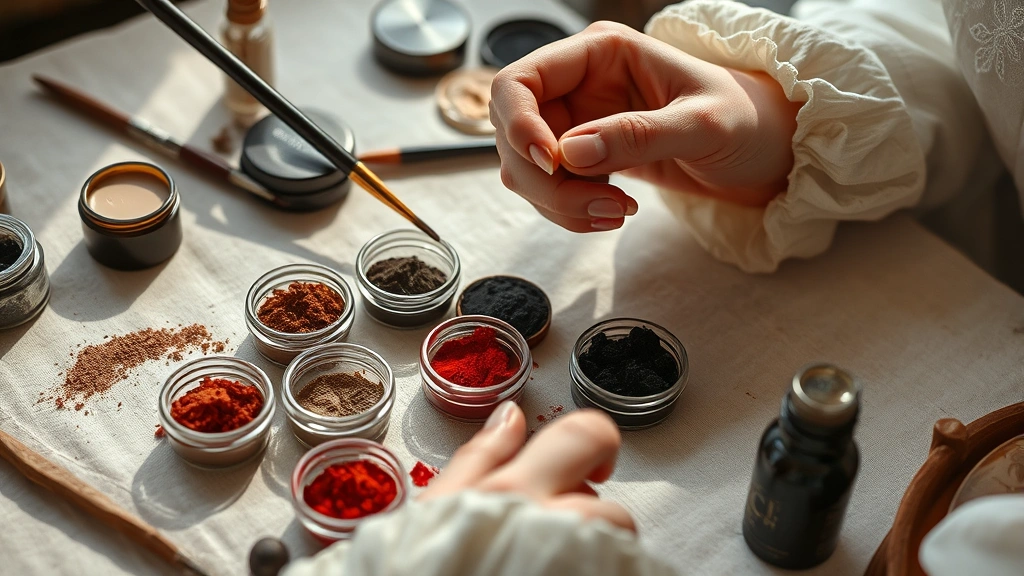
Beyond the foundational base, women used a variety of pigments for color and definition. Cochineal, derived from insects native to the Americas, provided vibrant reds for lips and cheeks. This ingredient was expensive and highly prized, making it a status symbol in itself. Charcoal and other dark pigments were used for defining the eyes and brows, while various plant-based materials provided additional colors and finishes. The sourcing of these ingredients involved complex trade networks, and the ability to access the finest materials was a significant indicator of wealth and social position.
Oils and fats formed the base of many beauty preparations. Rose oil, almond oil, and other fragrant oils were mixed with pigments and other ingredients to create products that could be applied to the skin. These preparations often had a greasy consistency, which was considered desirable at the time. The inclusion of fragrance was essential, as these products often developed unpleasant odors due to their composition and the preservation methods available. Perfumed oils and waters were applied generously to mask any unfavorable smells.
Creating the Iconic Pale Complexion
The pale, almost ghostly complexion that defines 17th century beauty required significant effort to achieve and maintain. This look was fundamentally about creating a smooth, uniform, and extremely pale surface that contrasted dramatically with the natural skin tone. The process began with extensive preparation and the application of multiple layers of product.
Before applying the heavy white lead base, women would often prepare their skin with various oils and moisturizing preparations. This created a smoother surface for the foundation and helped the products adhere better. The base itself would be applied thickly, often creating a visible line where the makeup ended and natural skin began. This was not considered a flaw but rather evidence of the effort and expense involved in achieving the look. In fact, the more obvious the makeup application, the more impressive it appeared to observers, as it demonstrated access to rare and expensive materials.
Achieving an even, pale complexion required constant maintenance throughout the day. Women carried small cases containing their makeup products, allowing them to touch up and reapply as needed. This maintenance routine was not private but often performed in social settings, with other women observing and commenting on the application technique. The ability to apply makeup skillfully was considered a refined accomplishment, and women would often gather to observe and learn from those particularly skilled in the art.
The thickness of the base layer meant that achieving a natural-looking blend was virtually impossible, and indeed, this was not the goal. The stark contrast between the painted face and the neck or hands created a distinctive silhouette that was instantly recognizable as fashionable. Some women would even extend the makeup down to their necks and décolletage to create a more unified appearance, though this was less common due to the expense involved in using such quantities of product.
Cheeks, Lips, and Beauty Marks: The Details Matter
While the pale base provided the canvas, the true artistry of 17th century makeup lay in the application of color and the creation of distinctive features. The cheeks and lips were painted with bold, highly saturated colors that created a striking contrast against the pale foundation. This approach to color application would seem extreme by modern standards but was considered essential to the beauty ideal of the period.
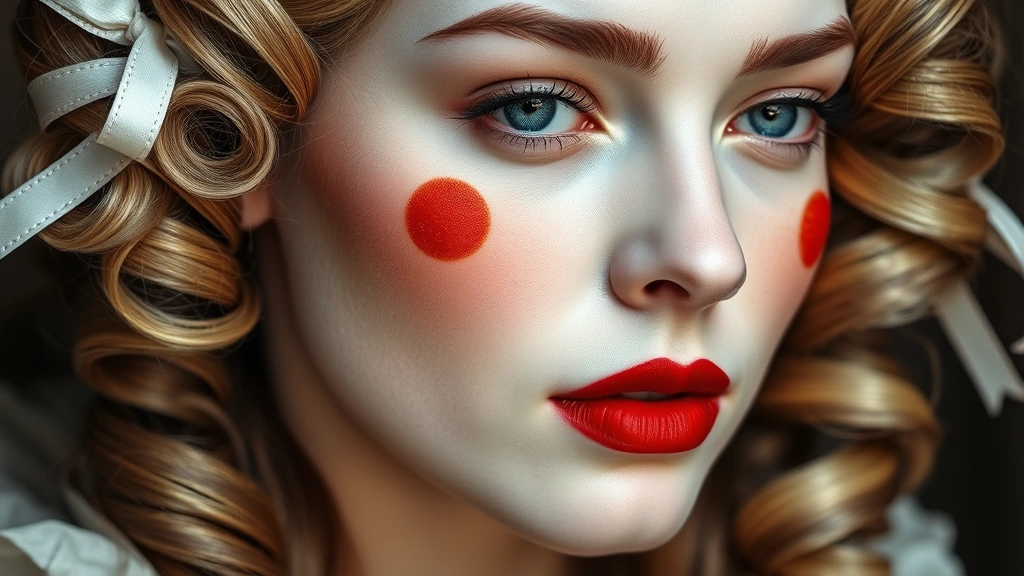
Cheek color was typically applied as circular patches of bright red, positioned high on the cheekbones and often quite small in diameter. These patches of color were meant to suggest youth, health, and vitality—ironic given that the heavy lead-based products being used were actually quite harmful. The application of cheek color required precision, as the contrast between the pale base and the colored cheeks was meant to be striking and noticeable. Some women would use multiple shades of red, layering them to create depth and dimension.
Lips were painted in bold reds and crimsons, often extending slightly beyond the natural lip line to create a fuller appearance. The shape of the lips was carefully considered, with a small, pursed mouth being the ideal. This meant that many women would paint their lips smaller than their natural lip size, creating a distinctive bow shape that was instantly recognizable as fashionable. The application of lip color was done with precision using small brushes or applicators, allowing for controlled placement and even coverage.
Perhaps the most distinctive feature of 17th century makeup was the use of beauty marks, or patches as they were known. These were small pieces of fabric—often silk, velvet, or paper—that were cut into various shapes and adhered to the face using gum or other adhesive substances. They served both decorative and practical purposes. Decoratively, they added visual interest and demonstrated the wearer’s attention to detail and fashion awareness. Practically, they helped conceal blemishes or skin imperfections that the heavy makeup might not fully cover.
Beauty marks were placed strategically across the face—at the corner of the eye, on the cheekbone, on the forehead, or near the mouth. The placement and shape of these patches communicated messages, with different positions supposedly indicating different meanings. A patch near the eye might indicate flirtatiousness, while one on the cheek suggested innocence. While these meanings were not universally standardized, the practice of using patches as communicative devices demonstrates how sophisticated 17th century beauty practices had become.
Eye Makeup and Definition Techniques
The eyes were a crucial focal point of 17th century makeup, requiring careful definition and emphasis to achieve the desired aesthetic. The goal was to create large, prominent eyes that appeared bright and alert, set against the pale face. This required skillful use of dark pigments and precise application techniques that are still relevant to modern makeup artistry.
The eyebrow shape during this period was distinctive, typically high and arched, often quite far above the natural brow line. To achieve this look, women would pluck their natural brows extensively, removing hair from the center of the brow to create height and separation. The brow would then be drawn in using dark pigments, creating a thin, arched line that was quite different from the natural brow shape. This practice sometimes resulted in permanent damage to the brow area, as the constant plucking could inhibit regrowth.
Eye shadow and definition were created using charcoal, soot, and other dark pigments. These would be applied to the eyelid and blended to create definition and depth. The outer corner of the eye would often be emphasized with darker pigment, creating an elongated appearance. Some women would also apply dark pigment to the inner corner and along the lower lash line, creating a more defined eye shape. The goal was to make the eyes appear larger and more prominent against the pale face.
The use of kohl or other dark eye products was not new in the 17th century, but the application techniques became more refined and intentional during this period. The pigments were applied using small brushes or applicators, allowing for precise placement and blending. Some women would use multiple layers of product, building up the color gradually to create a more dramatic effect. The resulting look was quite theatrical, with heavily defined eyes that seemed to dominate the face.
Hair and Brow Styling in the 17th Century
Hair styling was intimately connected with makeup application during the 17th century, as the overall aesthetic required a coordinated approach to facial presentation. The style of hair framing the face, along with the positioning of the eyebrows and forehead, all contributed to the overall beauty ideal. Understanding these complementary practices provides a more complete picture of 17th century beauty culture.
The forehead was considered an important feature during this period, and women often used various methods to make it appear larger and more prominent. Some women would pluck their hairline to create a higher forehead, as this was associated with beauty and refinement. This practice could result in permanent hair loss, but the fashionable effect was considered worth the cost. The exposed forehead would then be treated with the same pale makeup as the rest of the face, creating a unified, smooth appearance.
Hair styling varied somewhat throughout the century and across different regions, but generally involved elaborate arrangements with curls, waves, and ornamental additions. Hair might be gathered up and arranged in intricate patterns, or it might be styled in long curls that framed the face. The addition of ribbons, jewels, and other ornaments was common, and these accessories were often coordinated with the overall makeup look. The hair needed to be styled in a way that complemented the makeup, with the goal of creating a harmonious and balanced overall appearance.
The relationship between hair, makeup, and the overall silhouette was carefully considered. The pale face and dramatic makeup needed to be framed by the hair and hair ornaments in a way that enhanced rather than competed with the makeup. This required a sophisticated understanding of proportion, color, and visual balance. Women who were particularly skilled in coordinating these elements were admired and emulated by others seeking to achieve the most fashionable appearance.
Gender, Class, and Makeup Expression
The practice of wearing makeup in the 17th century was not exclusively female, though it was certainly most prevalent and elaborate among women. Men of the aristocracy and court circles also wore makeup, though typically in a more restrained manner. Understanding the gendered aspects of makeup use during this period reveals how beauty practices reflect and reinforce social hierarchies.
For women, makeup was both an expectation and a tool of social navigation. Upper-class women were expected to wear makeup as part of their social presentation, and the quality and elaborateness of their makeup served as a visible indicator of their status and resources. Women of lower social classes might wear some makeup, but typically in simpler forms and with less expensive materials. The ability to access rare pigments like cochineal or fine oils was a clear marker of class status.
Men’s makeup use during this period was more controversial and varied by region and social context. While French court culture embraced male makeup as part of the fashionable aesthetic, in other regions it was viewed with more suspicion or disapproval. Men who wore makeup typically applied it more subtly than women, with perhaps some rouge on the cheeks and a beauty mark or two, but nothing approaching the dramatic appearance of fashionable women’s makeup. The gendered nature of makeup use reflected broader social attitudes about masculinity, femininity, and power.
The class distinctions in makeup use were profound. Wealthy women could afford to experiment with different products, hire skilled makeup artists, and maintain their appearance throughout the day. They could also afford to replace products regularly, as many of them were expensive and could spoil or become less effective over time. Poor women might use simpler alternatives—vegetable dyes for color, ash or charcoal for definition—but these were often less effective and could actually be more damaging to the skin than the expensive products used by the wealthy.
Health Concerns and Safety Issues
Modern understanding of cosmetic safety makes clear that many 17th century beauty practices were actually quite harmful, though this was not fully appreciated at the time. The use of lead-based products is perhaps the most obvious concern, as lead exposure is now known to cause serious health problems including neurological damage, reproductive harm, and other serious conditions. Women who regularly used lead-based makeup were exposing themselves to cumulative toxicity that could have long-term health consequences.
Beyond the lead issue, many other ingredients used in 17th century makeup posed health risks. Mercury was sometimes used in beauty preparations, and like lead, it is a neurotoxin that can cause serious harm with repeated exposure. Arsenic appeared in some products, either intentionally or as a contaminant. These toxic exposures accumulated over time, particularly for women who wore heavy makeup daily for years or decades.
The practice of plucking the eyebrows and hairline extensively could result in permanent damage to the hair follicles, leading to lasting hair loss. The harsh treatments applied to the skin in the name of beauty—including strong acids and caustic substances used to lighten or otherwise modify the complexion—could cause chemical burns and other damage. Some women experienced skin reactions to the heavy makeup, including irritation, breakouts, and infections, though these were often treated with additional harmful substances rather than by removing the offending products.
Despite these health concerns, women continued to use these products because the social pressure to appear fashionable was extremely strong. The benefits of social advancement and acceptance that came with achieving the fashionable look outweighed, in many women’s minds, the potential health risks. This reflects a pattern that persists in modern beauty culture, where women sometimes accept health risks in pursuit of beauty ideals.
Recreating 17th Century Makeup Today
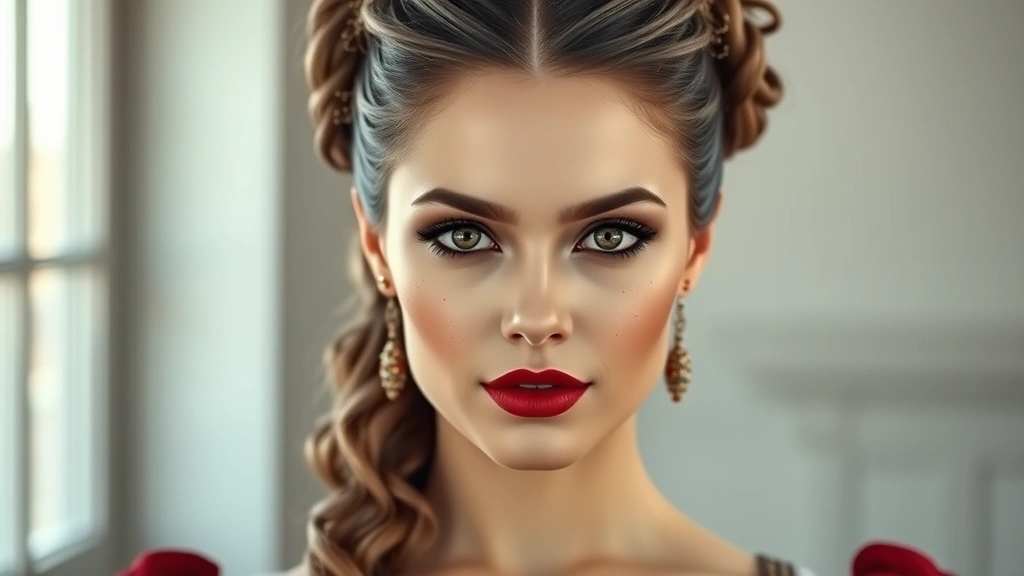
For makeup artists, historians, and beauty enthusiasts interested in recreating 17th century looks, the challenge lies in achieving the historical aesthetic while using modern, safer products. Understanding the principles and techniques of the period allows for creative interpretation that captures the spirit of the era without the dangerous ingredients.
Modern foundations can be used to create the pale base, though achieving the exact chalky, thick appearance of period makeup requires some experimentation. A combination of foundation and powder, applied thickly and without blending, can approximate the look. White or very pale foundations work best, and the goal is to create a visible distinction between the painted face and the neck. Some modern makeup artists use theatrical or special effects makeup to achieve a more historically accurate appearance, as these products often have thicker, more opaque formulations similar to period products.
For cheek and lip color, modern reds and crimsons work well. The key is to apply them boldly and with clear definition, resisting the modern impulse to blend and soften. Beauty marks can be created using eyeliner or special effects makeup, cut into shapes and applied to the face. Modern adhesives are much safer and more reliable than historical options, making this element of the look easier to achieve today.
Eye definition can be achieved using modern eyeshadows and eyeliners, with the focus on creating clear, dramatic definition rather than the soft, blended looks that are currently fashionable. The eyebrows should be shaped high and arched, with careful plucking to remove hair from the inner portion of the brow. Dark eyeshadow applied to the lids and lower lash line creates the definition characteristic of the period.
For those interested in historical accuracy, researching specific regional variations and time periods within the 17th century can yield more specific guidance. Different regions had slightly different preferences, and styles evolved over the course of the century. Consulting historical texts, paintings, and other primary sources can provide inspiration and guidance for achieving a more historically authentic recreation.
FAQ
What was the most important beauty ideal in the 17th century?
Extreme paleness was the most prized beauty ideal, as it signified wealth and status. Women went to great lengths to achieve and maintain a pale complexion, using lead-based products and avoiding sun exposure. This pale skin was then contrasted with bold colors on the cheeks and lips.
Why did 17th century women use such heavy makeup?
Heavy makeup served multiple purposes: it demonstrated wealth and access to expensive materials, it communicated social status and fashion awareness, and it was part of the cultural aesthetic of the time. The thick, obviously applied makeup was not considered a flaw but rather a sign of effort and expense.
Were there any safer alternatives to lead-based makeup in the 17th century?
Some women used alternatives like chalk or bismuth compounds, though these were less effective and sometimes more expensive than lead-based products. The lead-based products were considered superior in terms of coverage and appearance, so most women who could afford them preferred them despite the health risks.
How long did it take to apply 17th century makeup?
Applying full 17th century makeup could take an hour or more, depending on the complexity of the look and the skill of the person applying it. The process involved multiple steps and required precision, particularly for features like beauty marks and eyebrows.
Did men wear makeup in the 17th century?
Yes, men of aristocratic and court circles wore makeup, though typically more subtly than women. French court culture was more accepting of male makeup use than some other regions. Men might wear rouge on the cheeks and a beauty mark or two, but rarely the full dramatic look that women wore.
How can I recreate 17th century makeup safely today?
Use modern, safe products like contemporary foundations, eyeshadows, and eyeliners to achieve the historical aesthetic. Focus on the key elements: pale base, bold cheek and lip color, dramatic eye definition, and carefully shaped eyebrows. Modern makeup allows you to capture the spirit of the period without using dangerous ingredients.

Related Posts

Perfect Old Fashioned Donut: Baker’s Secrets
Old Fashioned Chocolate Pie Recipe? Chef’s Favorite